
 English
 中文简体
 русский
 0

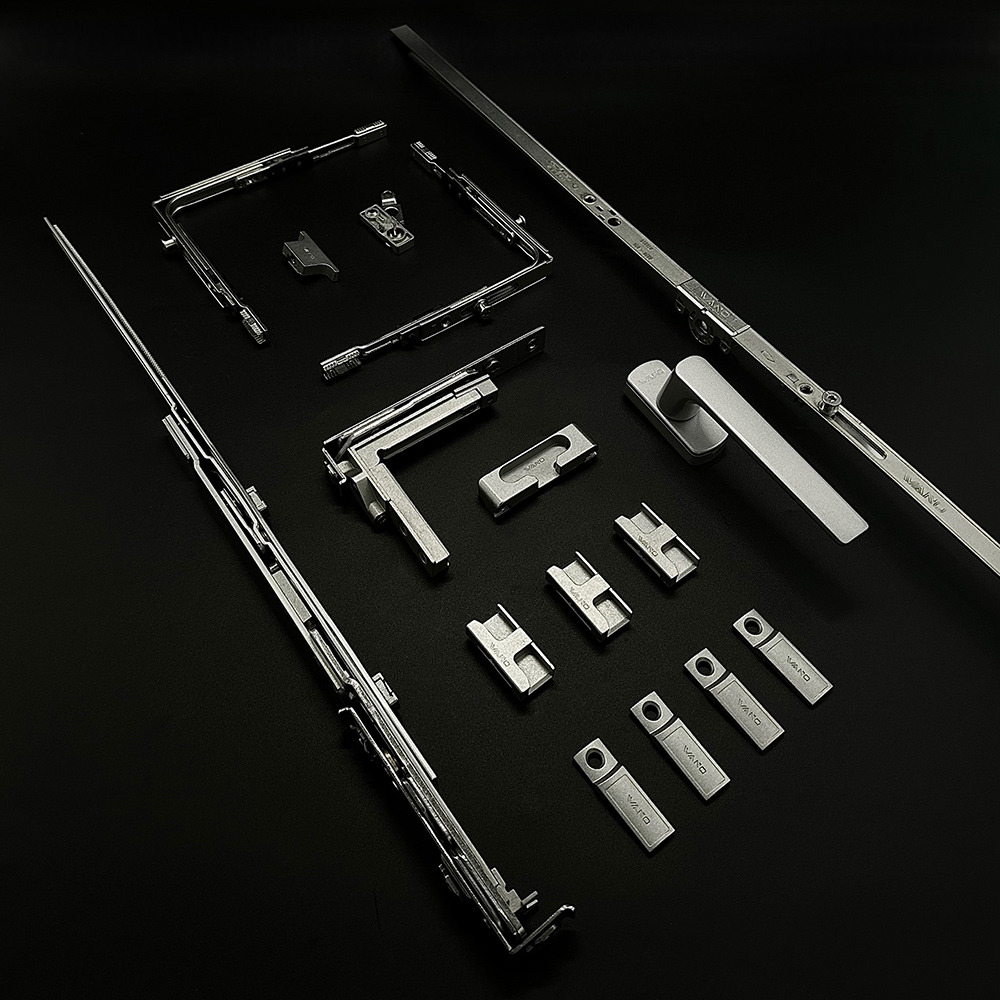

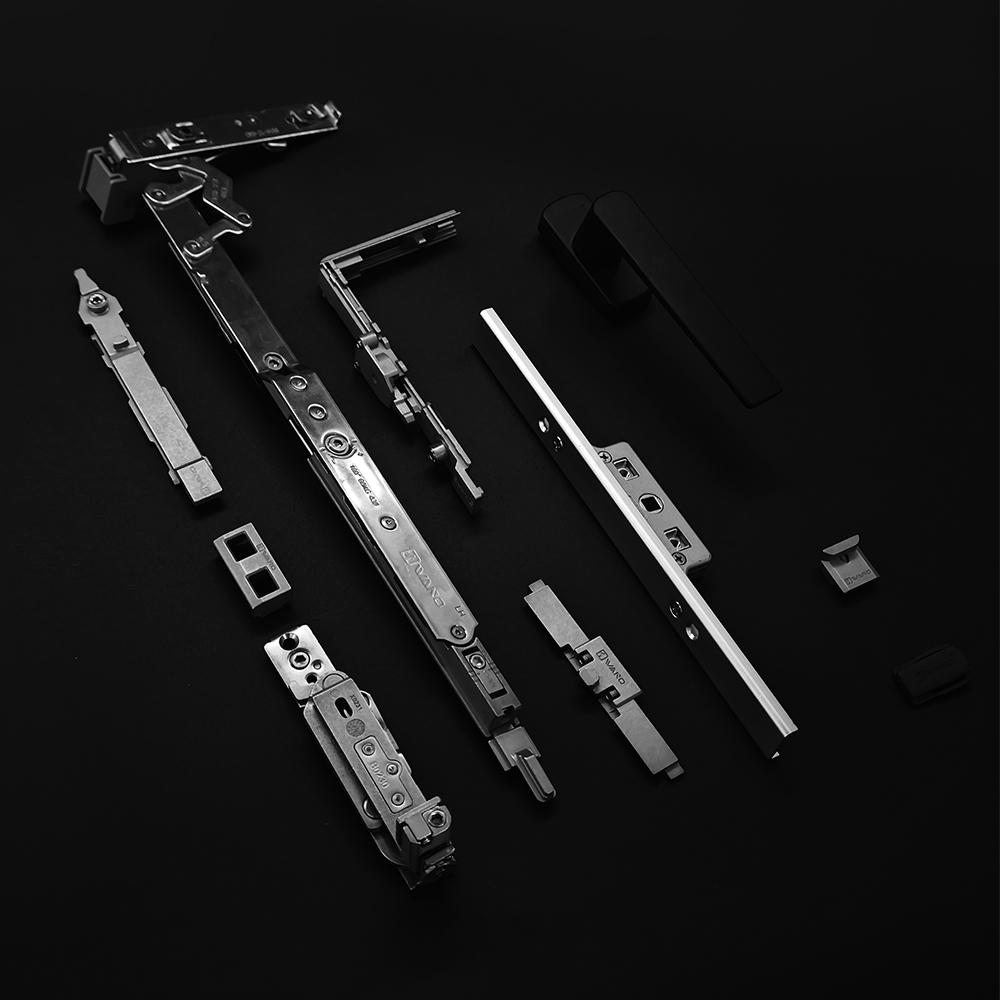
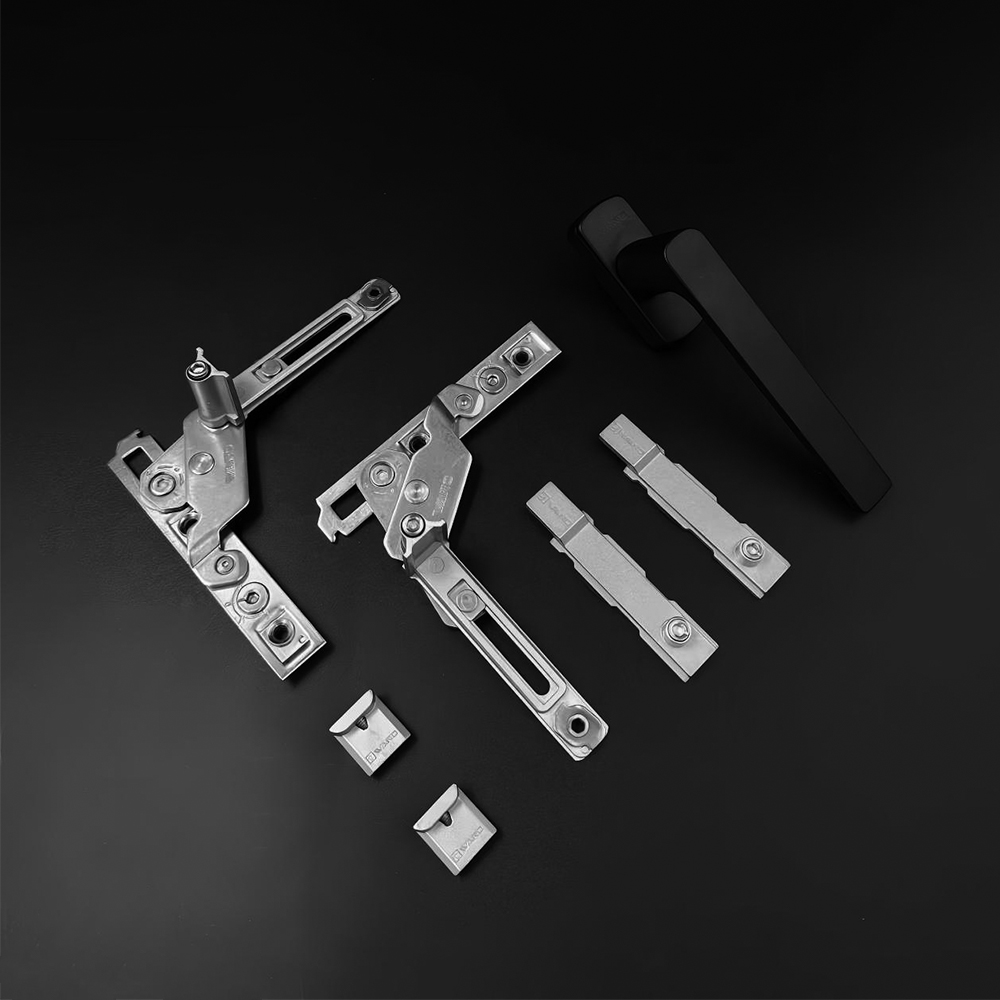
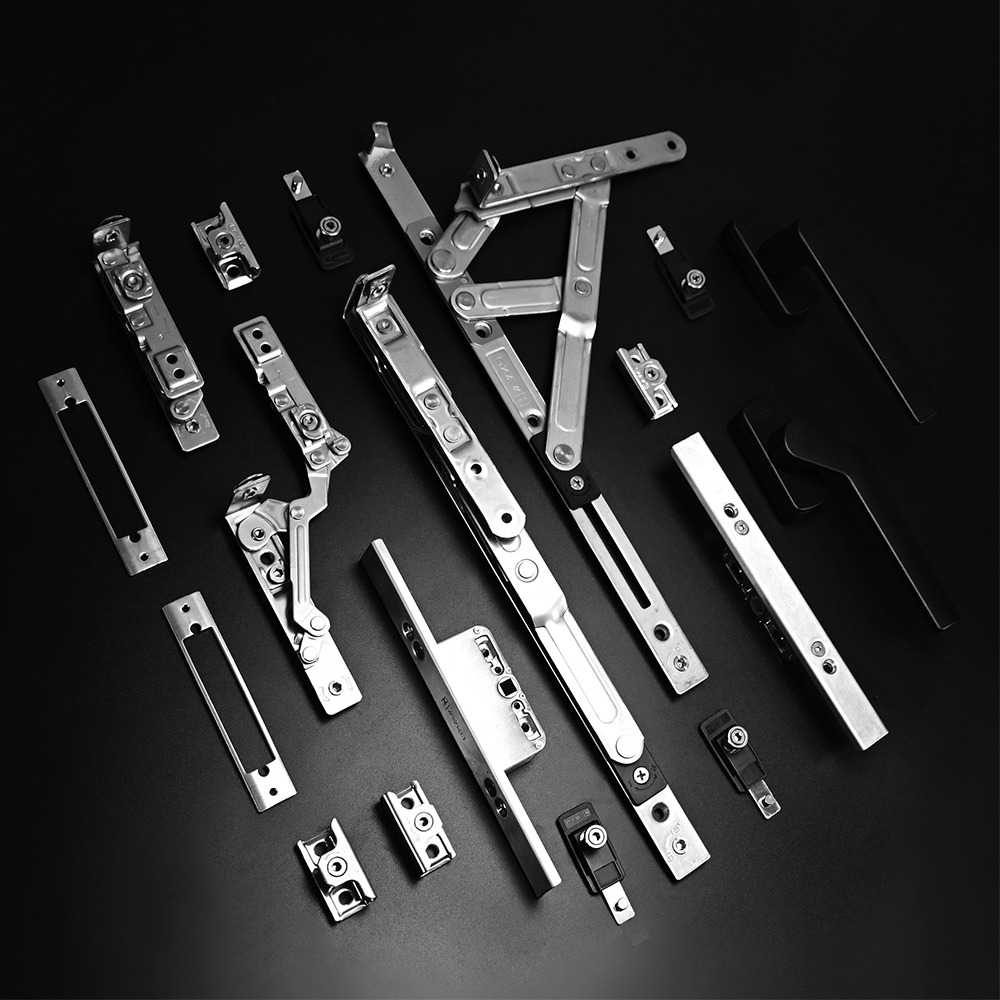
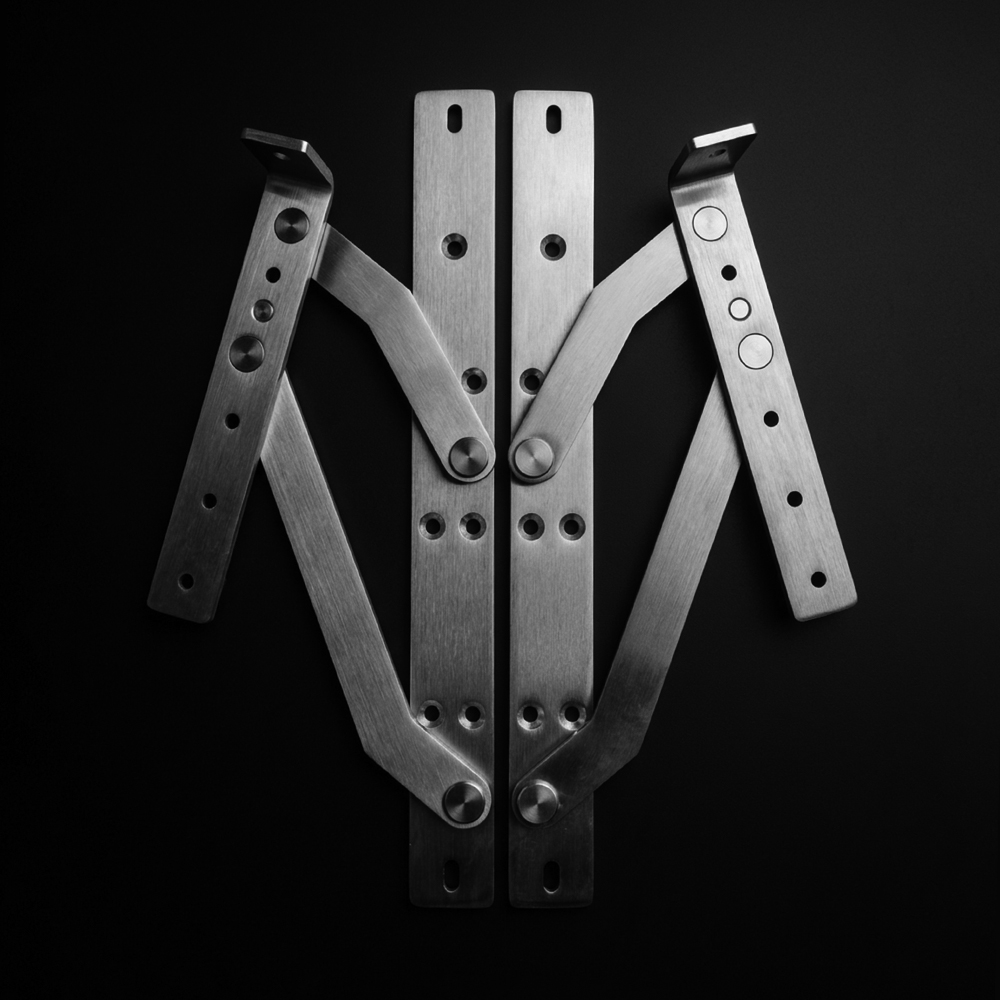
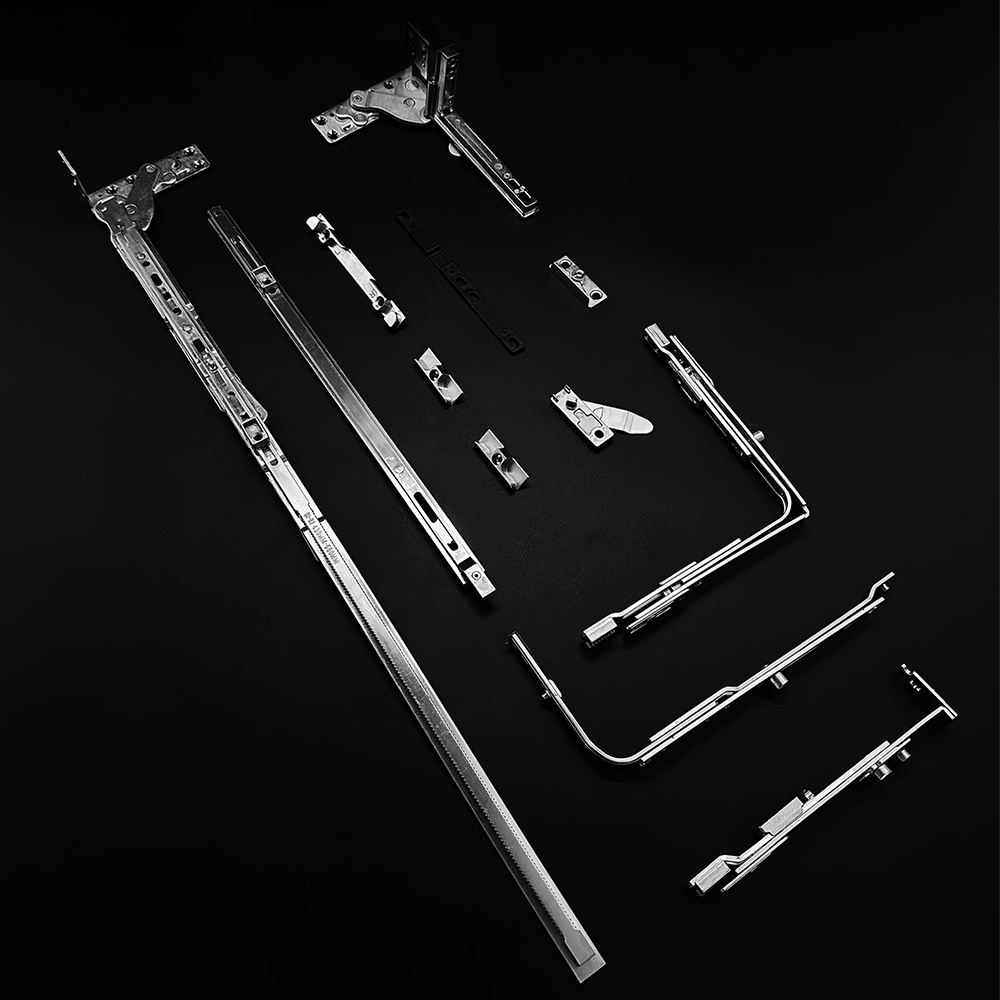
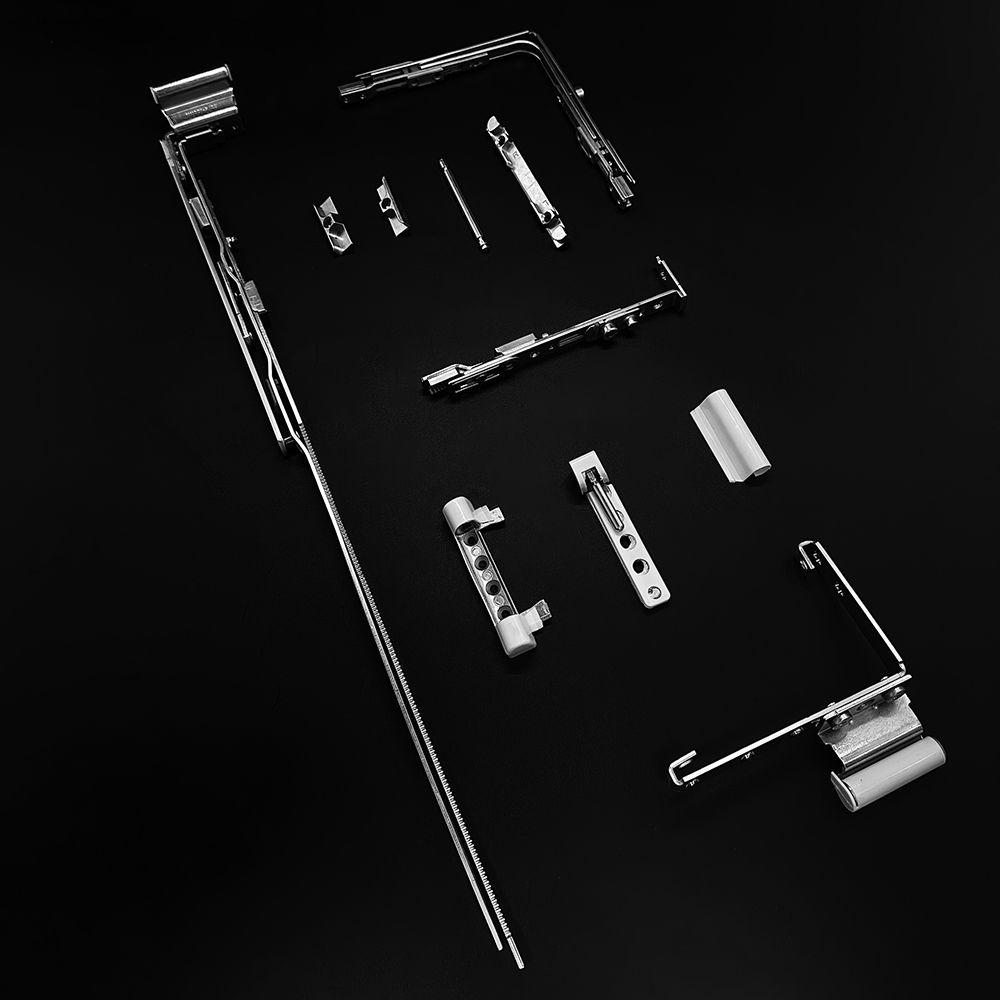
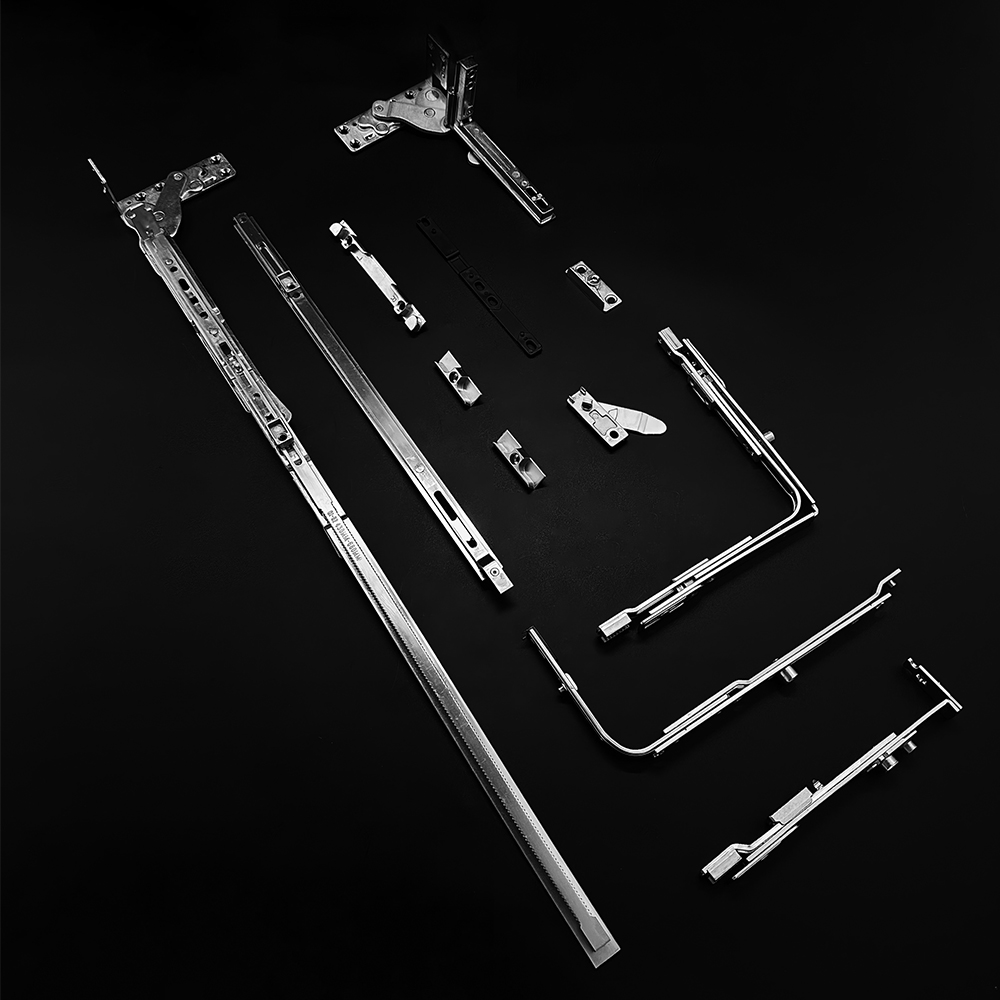


WANO designs and manufactures window hardware systems for aluminium, PVC and timber window profiles, supplying fabricators, window system brands, architectural hardware dealers and project clients across residential and commercial construction. We are a Window Hardware manufacturer based in Ningbo, Zhejiang, China, with R&D, tooling, die casting, stamping, machining, surface treatment and automated assembly centered in one 38,000 m² manufacturing base.
Established in 2003, our facility is staffed by 500 employees and includes a 100-person R&D center, 15 in-house laboratories and an annual capacity of approximately 20 million hardware sets, supported by more than 100 innovation patents. We supply system-matched sets — hinges, handles, locking points, transmission bars and accessories engineered to operate together on the same window.
Window Hardware Range by Profile System
The range is organised by profile system because groove geometry, sash weight and opening type determine which hardware family fits. Each product group is supplied as a complete set or as individual components, with handles, finishes, locking layouts and packaging coordinated across the order.
| Profile system | Groove and frame fit | Hardware we supply | Typical application |
|---|---|---|---|
| UC groove aluminium | European-standard UC groove with full-perimeter locking point design | UC groove tilt & turn 90°/180° hardware and accessories | Thermal-break aluminium windows in residential and commercial buildings |
| C groove aluminium | C groove extrusion supporting several opening directions | Tilt & turn 90°/180°, casement 90°/180°, outward opening casement, top-hung | Villas, apartments, hotels and public buildings |
| PVC / uPVC | U-groove, compatible with multi-chamber extrusion profiles | Concealed tilt & turn 90°, surface-mounted tilt & turn 180° | Energy-efficient residential windows, hotels and apartments |
| Timber | Rebate and surface-mounted fit for timber frames | Wooden window tilt & turn 90°/180° hardware | Villas, renovation work and premium residential joinery |
UC Groove Aluminum Window Hardware
Built for European-standard UC groove aluminium profiles, this family uses full-perimeter locking points to support both security and thermal insulation performance. It is supplied as tilt & turn 90°/180° hardware with coordinated handles, hinges and locking components. See the UC Groove Aluminum Window Hardware range for configuration details.
C Groove Aluminum Window Hardware
Compatible with C groove aluminium extrusions and multiple opening configurations: tilt & turn 90°/180°, casement 90°/180°, outward opening casement and top-hung windows. A single C groove window series can be equipped from one hardware family with common handle and locking platforms. Explore C Groove Aluminum Window Hardware for each opening type.
PVC Window Hardware
Optimised for uPVC U-groove profiles and multi-chamber extrusion designs, with concealed tilt & turn 90° and surface-mounted tilt & turn 180° variants using corrosion-resistant materials. This family suits energy-efficient residential windows, hotels and apartments. Review PVC Window Hardware for concealed and surface-mounted options.
Wooden Window Hardware
Tilt & turn 90°/180° hardware for timber window frames, with surface-mounted components that suit joinery rebates and visible interior timber detailing. It is specified for villas, renovation work and premium residential joinery.
Opening Types and System Fit
Hardware is selected by the way the sash moves and the loads it carries, not by frame material alone. The same window opening can use different hinge, stay and locking arrangements depending on installation height, wind exposure and cleaning access.
- Tilt & turn 90° / 180° — dual-action ventilation with full sash opening for cleaning, paired with multi-point or full-perimeter locking.
- Inward casement 90° / 180° — side-hung opening with handle, stay and locking combinations sized to sash height.
- Outward opening casement — hinge and friction geometry sized for outward-opening sashes and wind exposure.
- Top-hung windows — top-mounted hinge sets with restrictor and locking options for high-level or fixed-position openings.
- Screen-integrated windows — hardware arranged so insect-screen tracks and sash mechanisms do not conflict.
Critical Specifications We Confirm Before Tooling
The following data sets hinge load ratings, drive bar lengths and locking layouts. It also determines handle height, restrictor positions and operating force on site.
- Groove dimensions and hardware channel fit for the specified profile series.
- Sash width, height and glazing weight, which set hinge load rating and drive bar length.
- Opening angle — 90° or 180° — and the resulting handle, stay and restrictor positions.
- Number and layout of locking points, including full-perimeter locking for UC groove systems.
- Transmission bar length and locking point positions for wide, tall or heavy-duty sashes.
- Handle operating force held within ergonomic limits and verified by torque testing.
- 3D adjustment ranges, anti-misoperation features and fall-prevention mechanisms where the window type requires them.
- Multi-point locking configuration and screen-integrated accessories where specified.
Engineering, Quality Control and Acceptance Testing
Die casting, stamping, machining, surface treatment and automated assembly are completed in-house. The tooling workshop converts product data into production tooling before series runs, so fit precision and batch-to-batch consistency are controlled at the point where the interface is decided.
- Torque testing keeps handle operating force within ergonomic and standard limits.
- Load and tensile testing verifies the ultimate load-bearing capacity of hinges and locking points.
- Opening and closing cycle testing simulates tens of thousands of operating cycles.
- Salt spray resistance testing verifies surface treatments for coastal and high-humidity environments.
- Rain penetration, wind pressure and immersion testing equipment is available within our test facility.
- Final pre-shipment inspection covers function, finish, locking alignment and packaging.
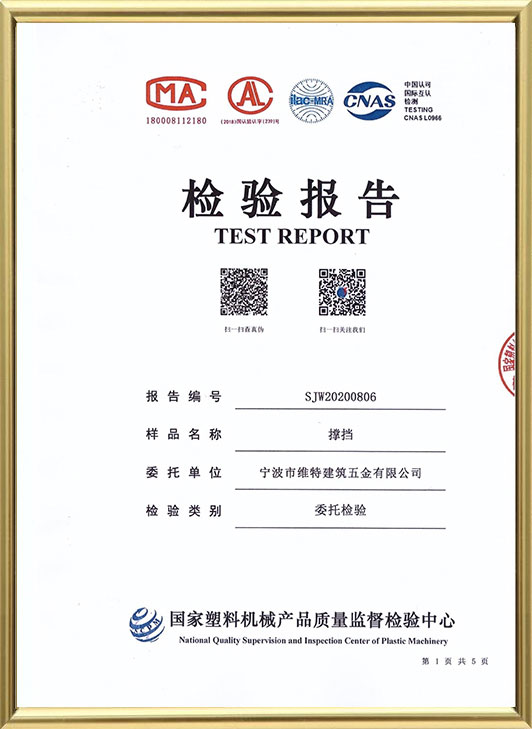
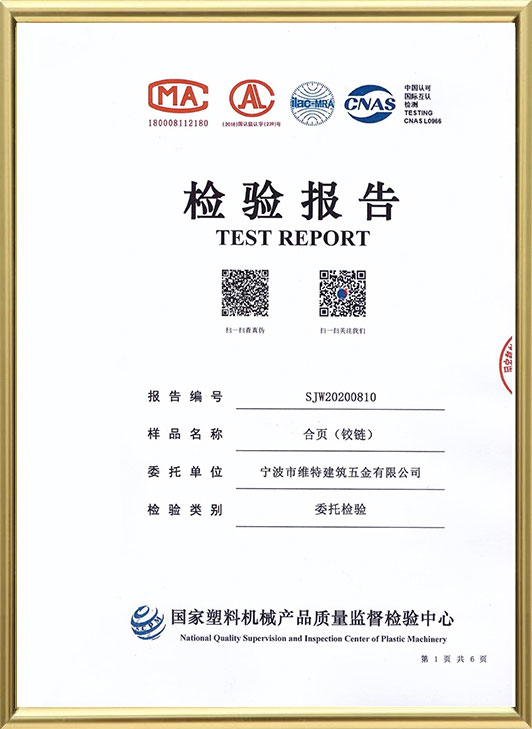
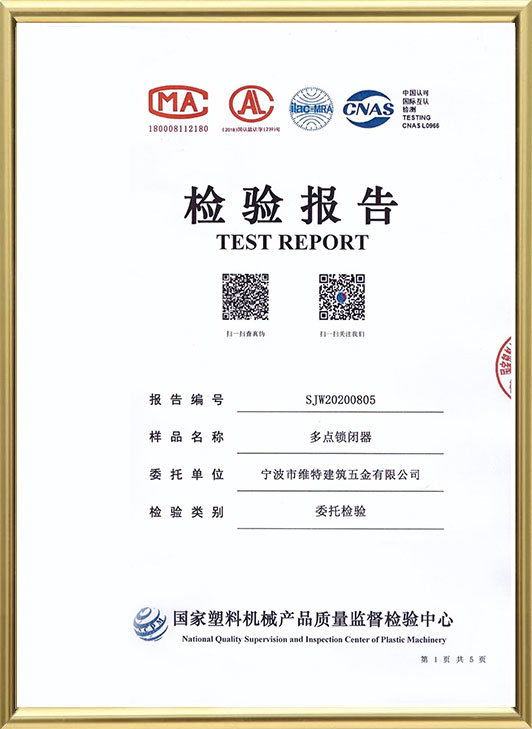
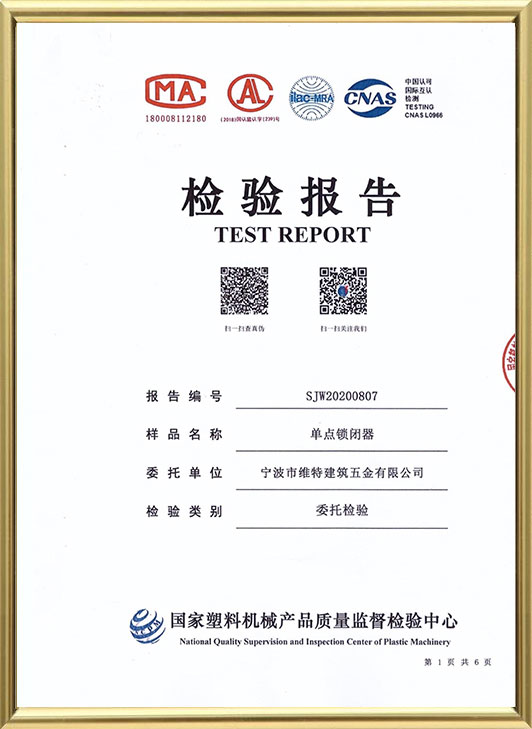
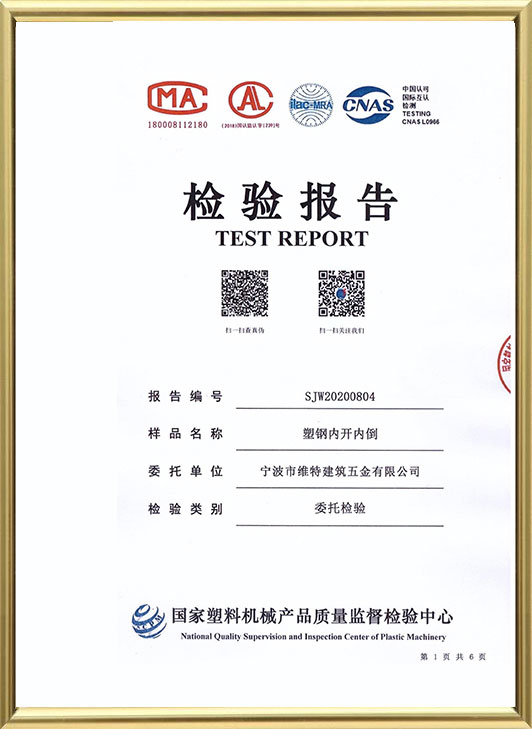
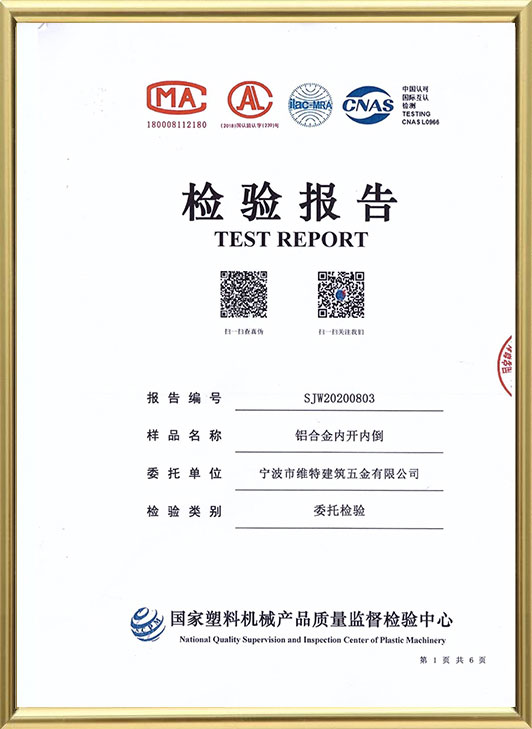
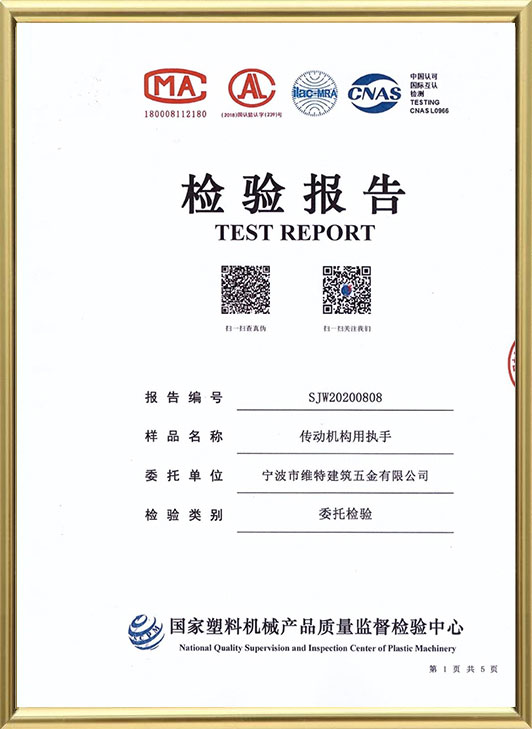
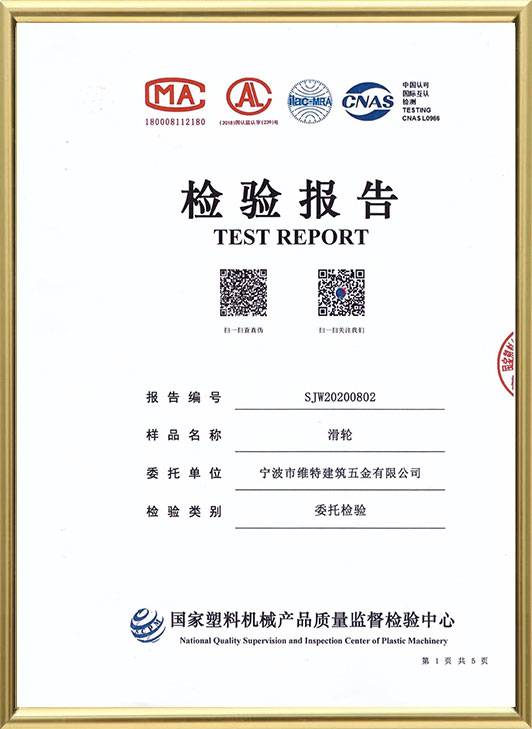
Our 15 specialised laboratories cover the full chain — incoming material inspection, first-article inspection, in-process control and final pre-shipment verification. Test reports are documented for the relevant product ranges and accompany the corresponding orders.
Surface Treatment, Branding and Packaging
Appearance and surface performance are part of the hardware specification, because handles and visible hinges carry the interior design language as well as daily operating contact. Available options include:
- Powder coating, electrophoretic coating and anodizing for aluminium components.
- Custom textures and colours for handles and hinges to match interior schemes.
- Handle profile, curvature and grip thickness, in square or rounded styling.
- Brand logo applied by laser engraving, screen printing or die-cast integrated moulding.
- Neutral or brand-exclusive packaging: unit boxes, outer cartons, certificates, warranty cards and packing lists printed with your identity.
For OEM projects we follow your drawings or samples through tooling development, manufacturing, logo marking and custom packaging. For ODM projects we provide structural optimisation, appearance design and performance configuration around your market positioning, creating a differentiated hardware system for your window programme.
Information We Use to Configure Your Solution
A configured hardware set is only as precise as the profile and sash data behind it. We prepare the technical assessment and quotation from these inputs, then follow our eight-step process: requirement consultation, drawing or sample confirmation, technical assessment and solution proposal, sample development and testing, pricing confirmation, mass production, quality inspection, and packaging and delivery.
| Project input | What it determines |
|---|---|
| Profile system and series | Hardware family, groove fit and hinge mounting geometry |
| Sash dimensions and glazing weight | Hinge load rating, drive bar length and locking point positions |
| Opening type and angle (90° / 180°) | Hardware configuration, handle position and restrictor choice |
| Surface finish and colour | Powder coating, electrophoretic coating or anodizing specification |
| Handle and brand requirements | Handle styling, logo marking method and packaging design |
| Order volume and delivery pattern | Tooling plan, production scheduling and packing format |
| Test and documentation expectations | Which laboratory reports are prepared with the shipment |
Installation, Maintenance and Component Continuity
Hardware is delivered identified by system and component so that fitting positions, locking sequences and adjustment ranges are clear during fabrication and on site. We recommend a fitting and adjustment check at installation and after the first operating cycle, followed by periodic cleaning and lubrication of hinges, locking points and transmission bars.
Because the range is organised by system, replacement handles, hinges and drive bars can be drawn from the same component family as the original delivery. Screen, door and sliding elements within a combined opening package can be configured to the same operating logic for consistent specification across a project.
Window Hardware Questions from Project Teams
-
Which window hardware systems does WANO manufacture?
We manufacture hardware for UC groove aluminium, C groove aluminium, PVC (U-groove) and timber window profiles. The portfolio covers tilt & turn 90°/180°, inward and outward opening casement, top-hung and screen-integrated configurations, together with handles, hinges, locking points and transmission components.
-
How do you confirm whether a window needs UC groove or C groove hardware?
We work from the profile drawing or an extrusion sample and check groove geometry against our hardware families. UC groove systems use a full-perimeter locking point design for security and thermal performance, while C groove hardware covers tilt & turn, casement, outward opening and top-hung openings.
-
Can the hardware be supplied under our own brand?
Yes. OEM production follows your drawings or samples through tooling development, manufacturing, logo laser engraving and custom packaging. For ODM projects we handle structural optimisation, appearance design and performance configuration to create a differentiated hardware system for your window programme.
-
What testing is carried out before shipment?
Hinges and locking points go through load and tensile testing, handles through torque testing, and complete hardware assemblies through opening and closing cycle testing. Surface treatments are verified by salt spray resistance testing, and final inspection covers function, finish, locking alignment and packaging before dispatch.
-
How is the right hinge load rating selected for a sash?
Hinge ratings and hardware dimensions are tailored to the sash size and glazing weight you supply, including heavy-duty sashes and narrow-profile systems. Load-bearing capacity of the selected components is then verified in our laboratory before the configuration is released to production.
-
What project information do you need from us to prepare a proposal?
Send the profile system and series, sash dimensions with glass weight, opening type and angle, required surface finish, handle and branding requirements, order volume and delivery pattern. From that information we complete a technical assessment and solution proposal, then confirm drawings or samples before mass production.

