English
 中文简体
 русский
 0

Content
- 1 1. Why Hardware Deserves Half Your Attention
- 2 2. The Core Components, Explained
- 3 3. Materials and Finishes: Where Corrosion Begins
- 4 4. Matching Hardware to Window Type
- 5 5. Load Capacity: The Number Most Buyers Skip
- 6 6. Security and Standards: Questions and Viewpoints
- 7 7. Climate, Location and Building Type
- 8 8. The Ordering Process, Step by Step
- 9 9. Seven Mistakes That Cost Buyers Money
- 10 10. Budgeting: What Better Hardware Costs
- 11 11. Keeping Hardware Working: A Simple Maintenance Rhythm
- 12 The Bottom Line
- 13 Frequently Asked Questions
A window frame gets most of the attention, but the hardware decides how the window feels, how long it lasts and how safe it keeps your home. Hinges, stays, handles, locks and rollers are small parts, yet they take every opening, closing, gust of wind and attempted break-in.
Hardware is also one of the most common sources of ordering errors. A handle that does not fit the profile, a stay rated for half the sash weight or a finish that corrodes within two winters can turn a good project into a repair bill. This guide covers what to check before you place an order.
1. Why Hardware Deserves Half Your Attention
2. The Core Components, Explained
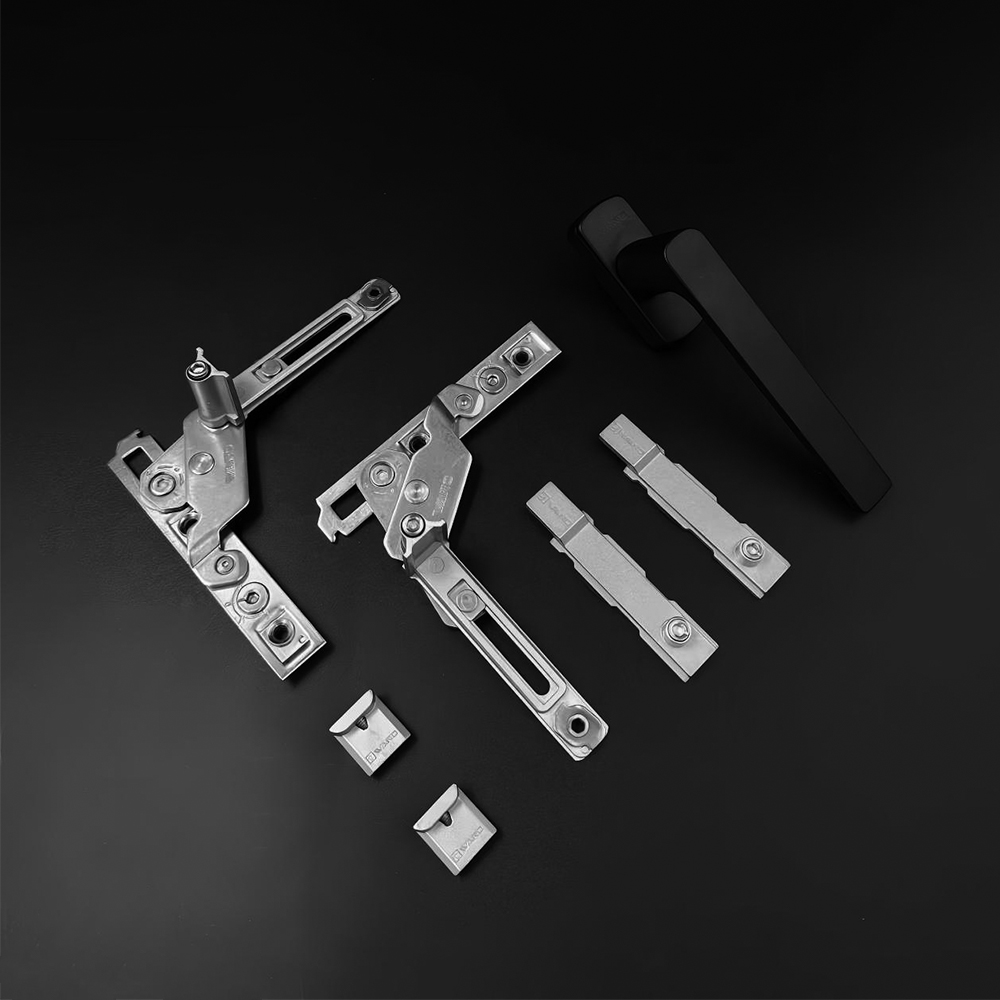
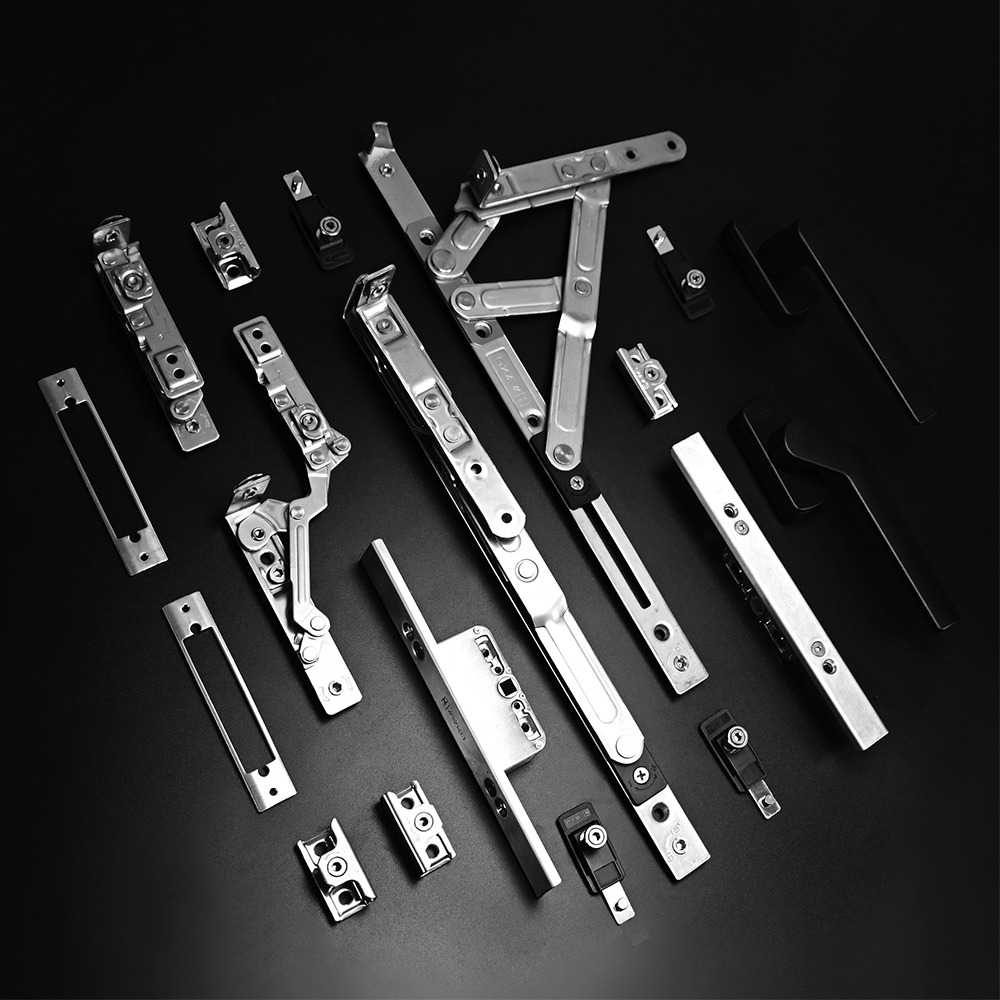
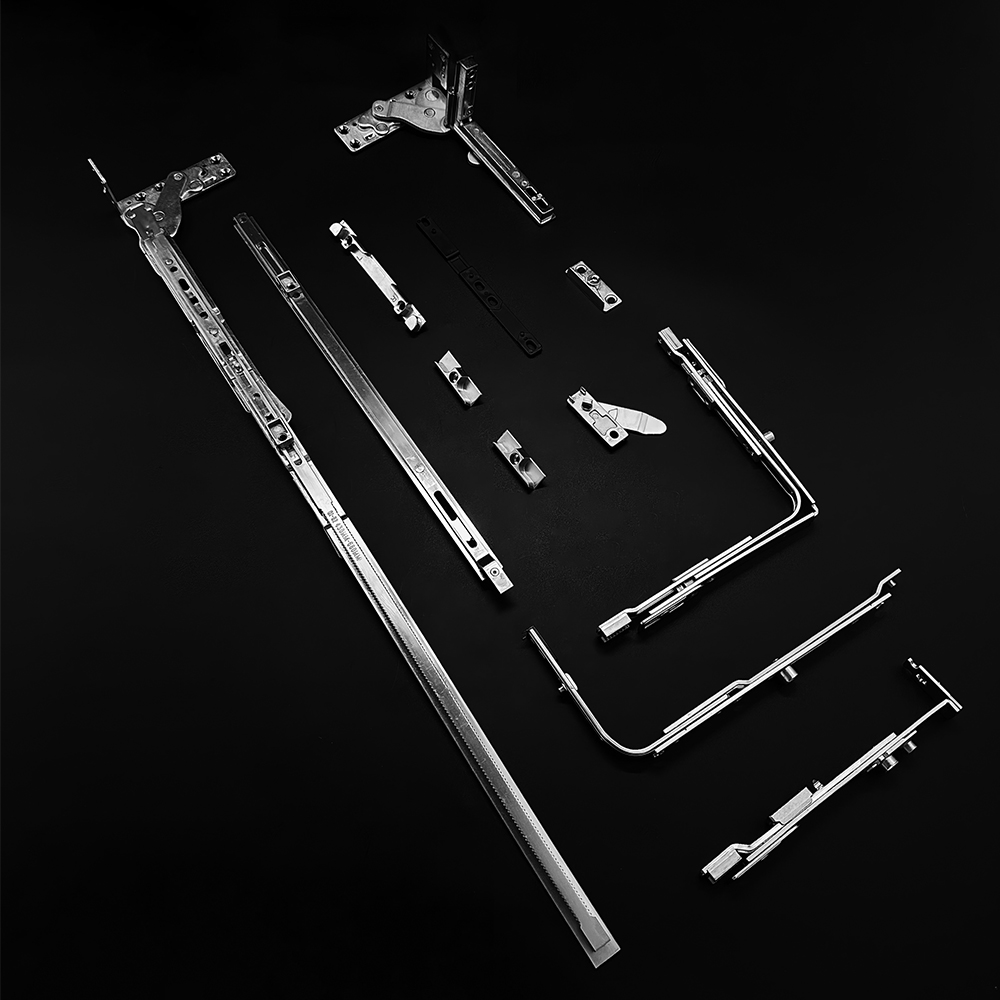
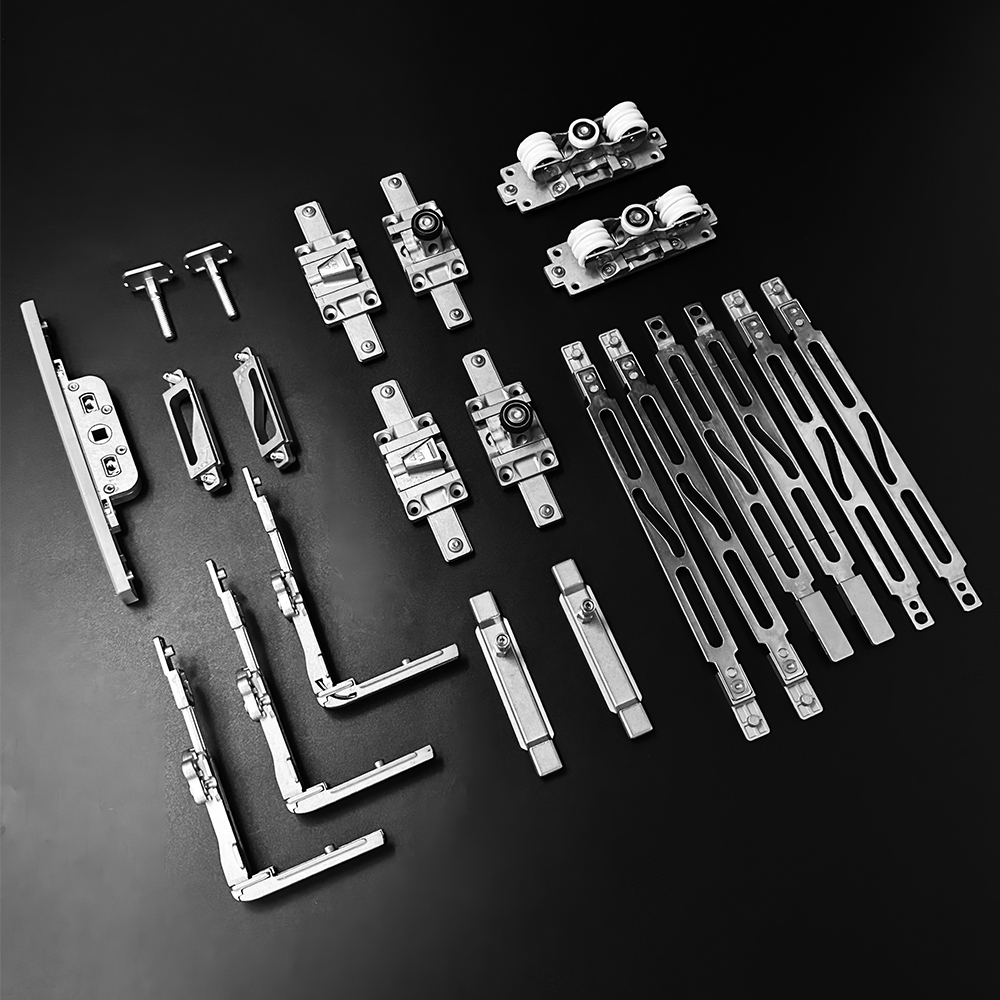
Before comparing suppliers, learn the vocabulary. Most aluminium windows combine five or six component families, and the names are used loosely in quotes. Make sure your supplier means the same thing you do.
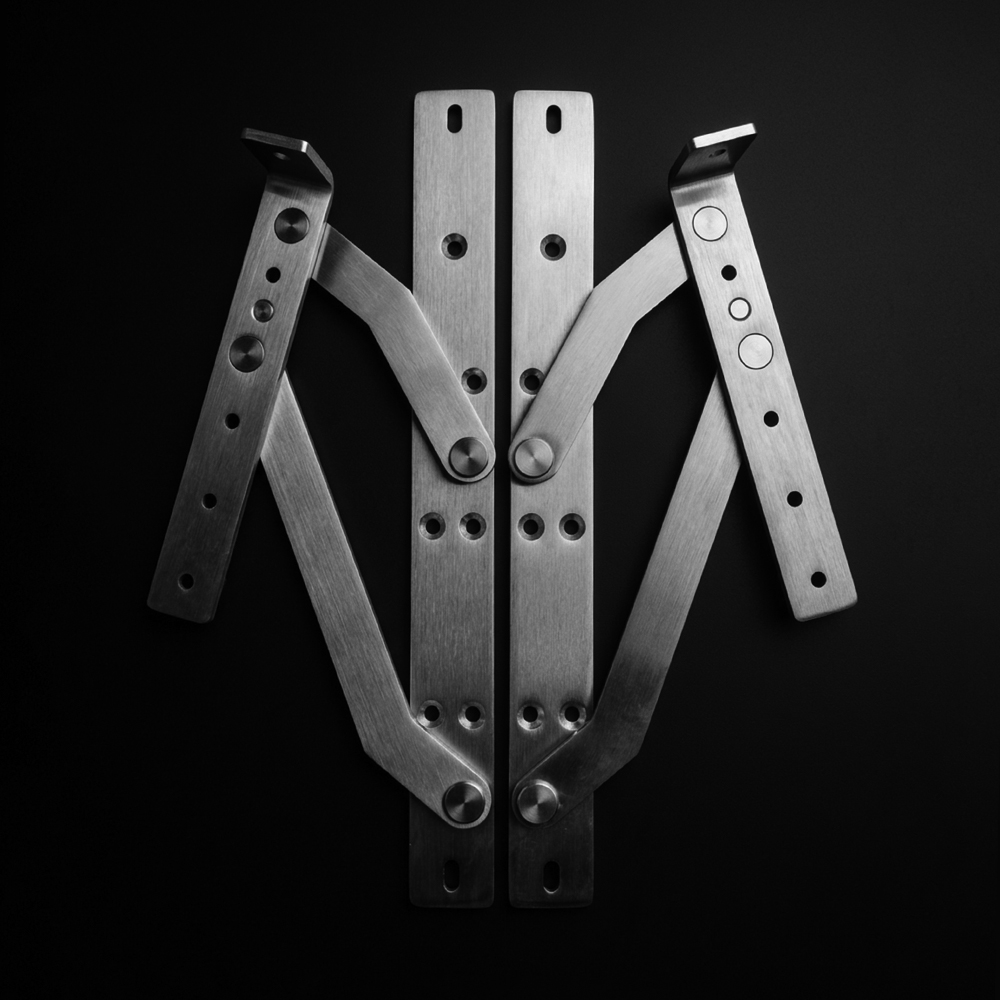
On casement and top-hung windows, the stays carry the sash and hold it open at any angle. Standard friction stays suit small, light sashes, while heavy-duty and stacked variants are needed for larger or double-glazed units. A slim stay on a heavy sash will sag first and fail later.
The part users touch daily. Lever, cockspur and flush designs differ in ergonomics, security and appearance. Many models are handed (left or right), so check orientation.
Multi-point mechanisms engage keeps along the sash edges. More points spread the closing force more evenly and raise break-in resistance.
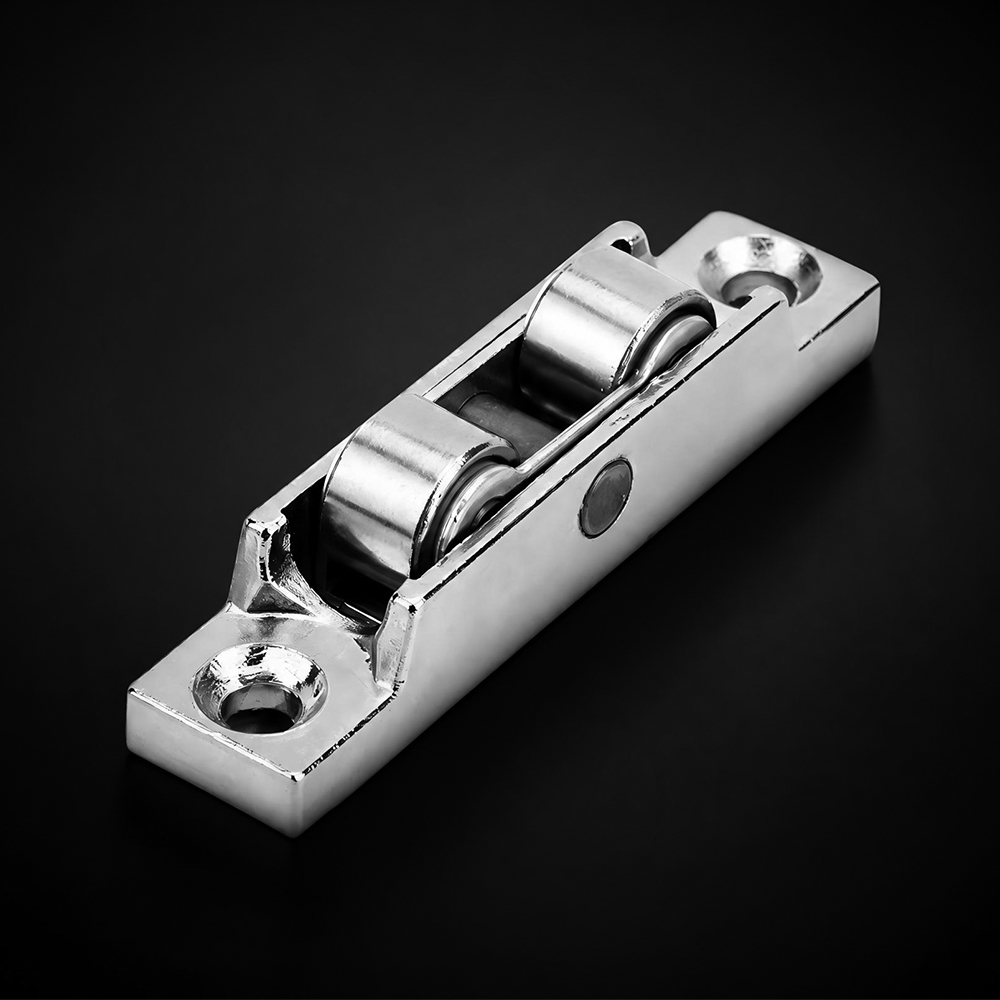
Sliding windows live or die by their rollers. Stainless wheels on a hard track outlast plastic ones, and tandem carriages share load on heavier sashes.
Limit how far a sash opens for child safety on upper floors. Many building codes require them above a defined height, so ask about compliance early.
Awning windows high on a wall or in a stairwell can use winders, chain operators or electric actuators. These add convenience and accessibility, but they must match the sash weight and be compatible with any smart-home or ventilation controls.
3. Materials and Finishes: Where Corrosion Begins
The frame may be aluminium, but the hardware is usually a mix of metals: stainless steel, zinc alloy, brass, aluminium and sometimes reinforced polymer. The mix is a trade-off between strength, cost and corrosion resistance.
Stainless steel grade matters most near the sea or a swimming pool. Grade 316 contains molybdenum and resists chlorides far better than grade 304, which is fine inland but can show tea-staining near salt spray. Zinc alloy handles are popular because they cast into elegant shapes, but their durability depends on the plating or powder coating over them. Plain zinc-plated steel is the budget end and should stay in dry, sheltered locations.
Ask for corrosion performance in standard terms. European building hardware is commonly rated against EN 1670, where a higher grade means longer survival in a salt-spray test. A supplier who cannot say which grade a product meets probably has not tested it.
Finish matters as much as base metal. Powder coating gives a wide palette and good colour matching to the frame, and quality coatings are tested under schemes such as Qualicoat or AAMA. Anodising is harder and more fade-resistant but offers fewer colours. When handles and frames are coated by different suppliers, request physical samples, because "bronze" and "black" vary a lot between batches.
4. Matching Hardware to Window Type
The right hardware depends first on how the window opens. Use the grid below as a starting checklist when you brief a supplier.
5. Load Capacity: The Number Most Buyers Skip
Every hinge, stay and roller has a maximum sash weight. The sash weight is not just the aluminium: it includes the glass, which is usually the dominant part. A 6 mm single pane is light, but a double-glazed unit with laminated glass can weigh several times as much.
Work out the weight from three inputs: sash width, sash height and glass build-up. Glass weighs roughly 2.5 kg per square metre for each millimetre of thickness, so a 1.2 m by 1.0 m pane of 10 mm glass is about 30 kg before the frame is counted. Add the frame, then include a safety margin, since hardware rated at its absolute limit wears quickly.
Width matters beyond weight. A wide, heavy sash has a long lever arm, which pulls harder on the hinge side. Manufacturers publish width and height limits as well as a weight limit, and you must stay inside all of them.
6. Security and Standards: Questions and Viewpoints
Security claims are easy to make and hard to verify. The left column answers the questions buyers ask most, and the right column shows how different people in a project judge the same hardware.
In Europe, look at EN 13126 for building hardware requirements, EN 1670 for corrosion resistance and EN 1627 for burglar resistance of complete windows. Other regions have equivalents, such as AS 2047 in Australia or AAMA and ASTM test methods in North America.
No. Resistance is a property of the whole assembly: frame, glass, glazing method, hardware and installation. A strong lock fixed to a weak sash gives you a weak window.
For ground-floor and accessible windows, a key-locking handle adds a second barrier against reach-in attacks. Remember fire escape rules in bedrooms, where keys must remain easy to find.
"Give me hardware with adjustable keeps and clear fitting instructions. Most call-backs I see come from poorly set sashes, not broken parts."
"I want handles that feel solid, windows that open without a fight and no maintenance chores."
"Finish consistency and slim profiles drive the look, but performance data and warranty terms drive what I will specify."
7. Climate, Location and Building Type
The same window can need very different hardware depending on where it stands. Use these cards to test your specification against the conditions it will face.
Salt-laden air attacks fasteners, springs and hidden mechanisms as well as visible handles. Choose 316 stainless components, sealed or protected gear tracks and the highest corrosion grade on offer. Plan to rinse hardware with fresh water several times a year.
Wind loads rise with height. Look for stays and restrictors tested for higher pressures, plus limiters that keep sashes from opening too wide.
Thermally broken frames contract and expand. Multi-point locks that pull seals tight keep heat in and prevent frost build-up at the sash edge. Check lubricants are rated for low temperatures, as thick grease stiffens handles.
Dark-coloured handles absorb heat and can become uncomfortable to touch. Choose finishes with proven UV stability, because poor coatings chalk and fade within a few seasons.
Windows that thousands of people handle need heavy-duty hardware and cycle-tested mechanisms. Look for durability ratings that state the number of opening cycles, and consider vandal-resistant or lockable options.
Choose lever handles that are easy on weak hands, restrictors that release with a deliberate action and stays that do not pinch fingers.
Old openings are rarely square. Adjustable hinges and keeps help a new sash fit an imperfect frame, and are worth the small price premium.
8. The Ordering Process, Step by Step
A structured process reduces mistakes more than any single product choice does. Follow this order, and do not skip the sign-off steps.
List every opening with type, width, height, glazing, handing and floor level. This single document feeds all later decisions, so errors here multiply.
Estimate each sash weight with glass included, then compare it to the data sheet for the hardware family you plan to use.
Decide on stainless grade, coating type, colour and lock features. Record the corrosion class and any certification you require.
Handle a physical sample. Check the quote lists model numbers, quantities, finishes and what is included, such as screws, keeps and keys.
Approve shop drawings and confirm production and delivery dates. Custom finishes and imported hardware can take many weeks.
Check quantities and finish against the order before installation. Keep a few spare screws, keeps and keys, plus the paperwork for warranty claims.
9. Seven Mistakes That Cost Buyers Money
10. Budgeting: What Better Hardware Costs
Hardware is usually a modest share of a window's total price, which is why upgrading it is such good value. Moving from a basic to a mid-range set often adds only a small amount per window, but it can double the service life of moving parts.
Think in tiers. Basic sets are fine for sheltered, low-use windows. Mid-range sets suit most homes. Premium and concealed systems pay off in demanding climates, heavy sashes and projects where appearance and silent operation matter. Smart or motorised options sit at the top and add control and accessibility at a higher cost.
11. Keeping Hardware Working: A Simple Maintenance Rhythm
Good hardware still needs light attention. A few minutes each season prevents most of the slow wear that shortens its life.
Clean tracks, hinges and keeps with a soft brush and mild soap. Remove grit that wears rollers.
Apply a silicone or PTFE-based lubricant to moving points. Avoid heavy grease, which attracts dust.
Check screws and keeps for looseness, then adjust sashes so they close firmly before winter.
Wipe away condensation around handles and track corners. Never force a frozen sash open.
Avoid harsh solvents, abrasive pads and chlorine-based cleaners, since they strip coatings and expose the base metal. If a handle feels stiff, adjust or clean it before reaching for more lubricant, because stiffness is often a misalignment problem rather than a dry one.
The Bottom Line
Aluminium window hardware is a small part of the budget and a large part of the experience. The buyers who get the best results do four things: they calculate sash weight honestly, match materials to their climate, insist on certified, system-matched components and follow a written ordering process.
Take the extra hour to check data sheets and request samples before you order. That hour is cheaper than a single call-back, and it protects the comfort, security and appearance of your windows for years.
Frequently Asked Questions
How long should aluminium window hardware last?
With a suitable specification and basic care, quality hardware commonly lasts 15 to 25 years in normal conditions. Coastal exposure, heavy daily use and poor maintenance can shorten that considerably, so check the warranty and the cycle rating.
Can I replace the hardware without replacing the whole window?
Usually yes. Handles, stays, rollers and locks are designed to be replaced, but the new parts must match the profile, the hardware groove and the sash weight. Take the old part, or a clear photo with measurements, to the supplier.
Is stainless steel always better than zinc alloy?
Not always. Stainless steel resists corrosion and carries high loads, but a well-coated zinc alloy handle can be perfectly adequate indoors or inland and offers more design freedom. Near the sea, stainless steel in grade 316 is the safer choice.
How do I know which stay or hinge size to order?
Measure the sash width and height, add the glass weight and compare the total with the manufacturer's data sheet for stay length, load rating and window width. If your measurements fall near a limit, choose the next size up.
Do multi-point locks really improve security?
They help by spreading closing force along the sash and making it harder to lever open at a single point. They work best on a well-built frame with suitable glazing, and they improve weather sealing too.
What should be written on a hardware quotation?
Insist on model numbers, quantity per window, finish and colour code, handing, material grades, corrosion class, accessories such as keys and screws, delivery time and warranty terms. A quote without these details cannot be compared fairly.
How can I keep handles from fading or pitting?
Choose a finish with a recognised weathering test, clean it regularly with mild soap and water and avoid abrasive or chlorine-based cleaners. In coastal areas, rinse hardware with fresh water every few months to remove salt deposits.