
 English
 中文简体
 русский
 0



Lift & Slide Hardware from WANO
As a dedicated Lift & Slide Hardware manufacturer, WANO supplies complete hardware sets for lift-and-slide door systems that lift the door panel off its track when unlocked, allowing smooth horizontal sliding movement and providing superior weather sealing when closed. We serve fabricators, system window brands, architectural hardware dealers and project clients from our R&D and production base in China.
This product family sits within our Sliding System range and is backed by a 38,000 m² manufacturing base with 500 employees, a 100-person R&D center and an annual capacity of approximately 20 million hardware sets. Whether the door is part of a villa, apartment, hotel or commercial building, we configure the hardware around the door's dimensions, weight and performance requirements.
What We Supply
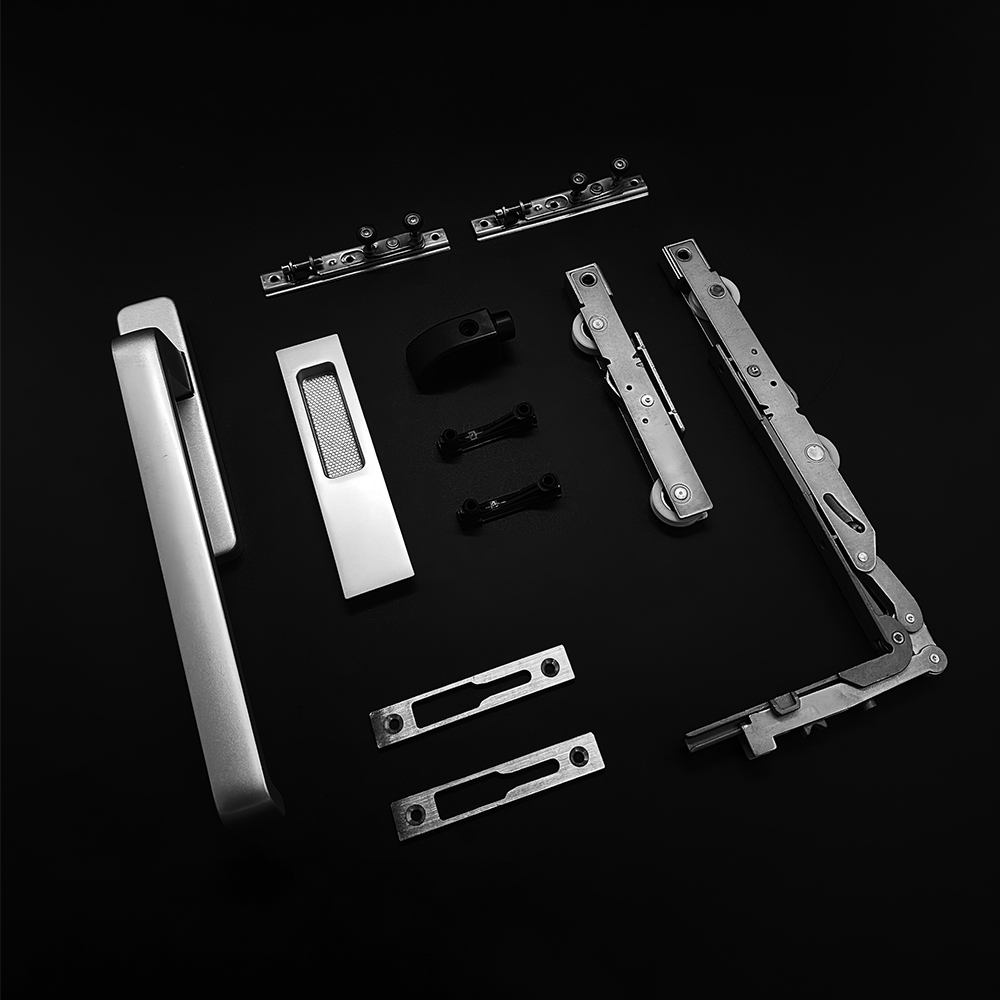
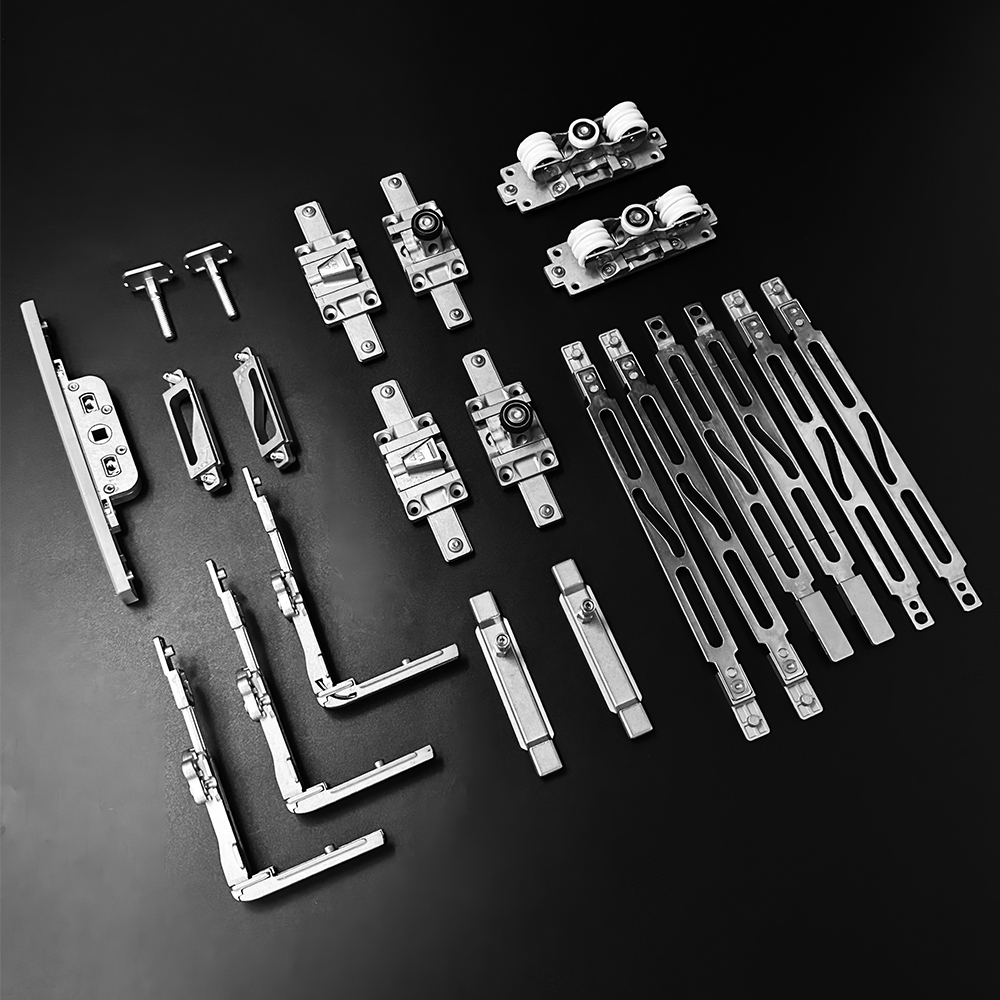
We manufacture lift-slide hardware sets that cover the complete operating sequence: unlatching, lifting, sliding and re-engaging the sash against the frame. Our offer includes lockable handles, multi-point locking hardware, sliding carriages, lift mechanisms and the related fittings required for a functioning door system.
Lift & Slide Solution
Our full lift-slide solution packages the lifting, running and locking components into a coordinated system for large-format sliding doors. We adapt the component layout to the sash dimensions and profile system before production.
Pressure Test Window
The pressure test window is used to validate sealing performance under controlled air and water pressure conditions. It helps confirm that the hardware and profile combination meets the project's weather performance target before series delivery.
Application Fit by Project Type
Lift-slide doors are specified where large openings, natural light and easy access matter, while still requiring a tight seal when closed. We position the hardware for residential and commercial projects where panel weight and weather performance are the main design drivers.
| Project Type | Hardware Focus | Configurations We Address |
|---|---|---|
| Residential villas | Smooth operation, slim visible hardware, quiet sliding | Single and double leaf, stacked panels, handle options |
| Commercial buildings | Durability, multi-point locking, consistent closing force | Heavy sashes, high-traffic cycles, security-focused locking |
| Hotels and apartments | Reliability, weather sealing, low maintenance | Balcony and terrace doors, acoustic and thermal performance |
| Public buildings | Safe operation, robust hardware, easy maintenance access | Wide openings, accessible handle heights, durable finishes |
Critical Specifications and Engineering Focus
Lift-slide hardware has to perform four functions in one cycle: unlatch, lift, slide and re-seal. That means every component contributes to operating comfort and long-term sealing.
- Lifting action: the handle rotation must raise the sash smoothly off the perimeter seal without excessive operating force.
- Sliding performance: carriages and track engagement determine how easily the door moves and how stable the sash remains in the open position.
- Multi-point locking: distributed locking points improve the seal around the sash and increase resistance to forced entry.
- Dimensional fit: groove geometry, drive bar length and locking point spacing are matched to the profile system and sash layout.
- Surface performance: coating quality is checked for corrosion resistance so coastal and high-humidity installations remain stable.
Configuration and Customization Options
We provide both standard configurations and OEM/ODM development. The starting point is always the profile system and the door's operating conditions.
Profile and Performance Adaptation
We adapt drive bar lengths, locking point layouts and carriage positions for wide, tall or heavy sashes. Where 90°/180° opening or multi-leaf stacking is required, the locking and sliding components are coordinated to maintain accurate engagement across the whole sash.
Surface Treatment and Branding
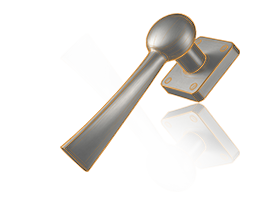
Handle profiles can be customized in shape, curvature and grip thickness, from square to rounded forms. Finishes include powder coating, electrophoretic coating and anodizing. Your logo can be applied by laser engraving, screen printing or die-cast integrated molding.
Our customization process follows a clear workflow: requirement consultation, drawing or sample confirmation, technical assessment and solution proposal, sample development and testing, pricing confirmation, mass production, quality inspection, and packaging and delivery.
Quality Assurance and Acceptance Testing
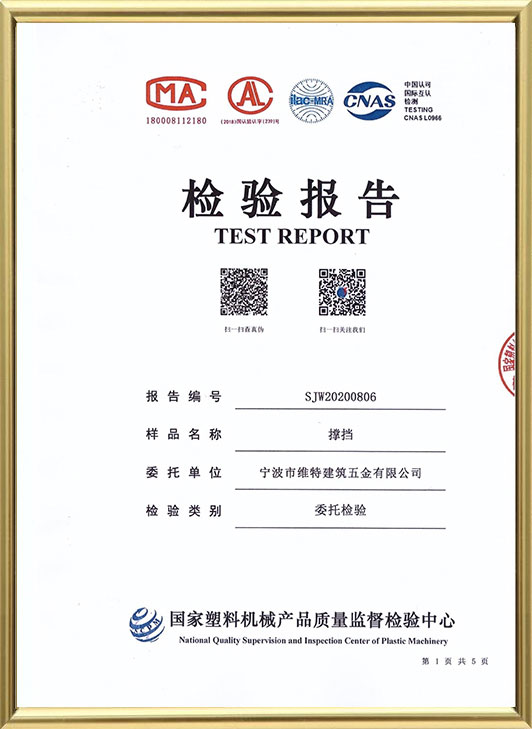
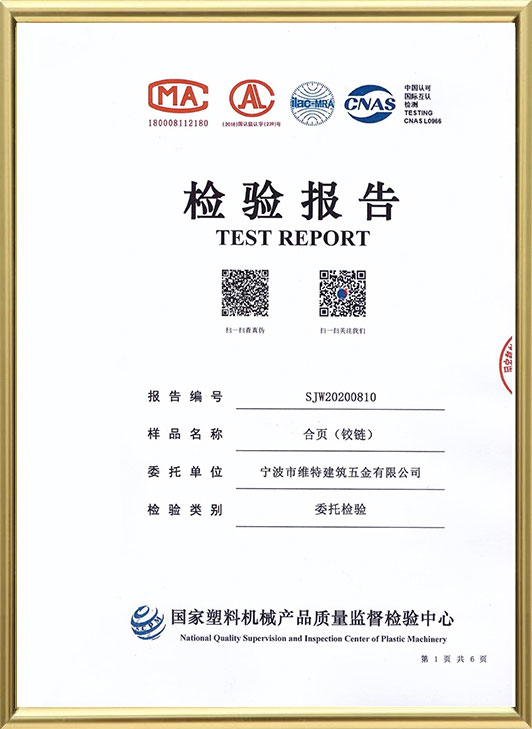
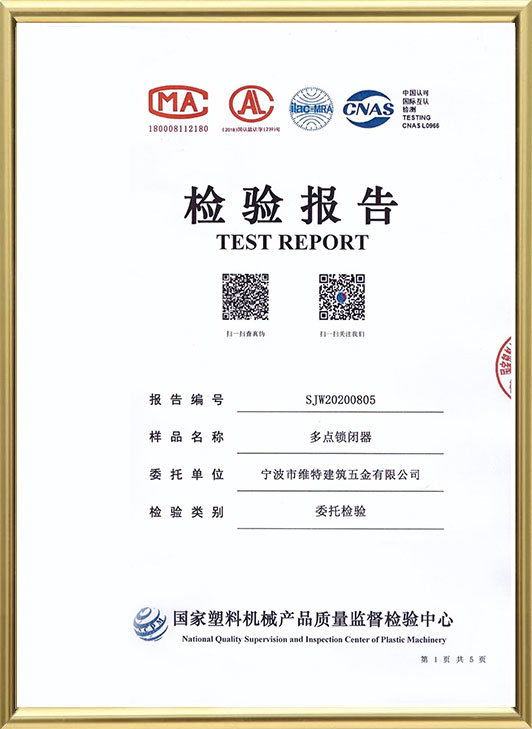
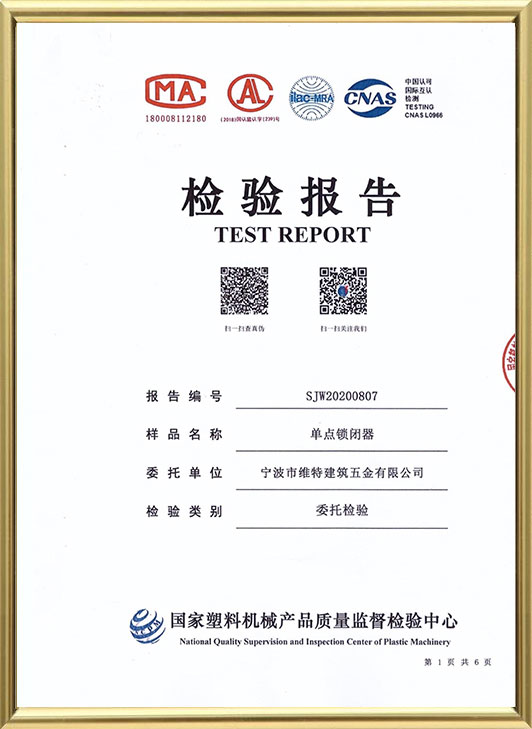
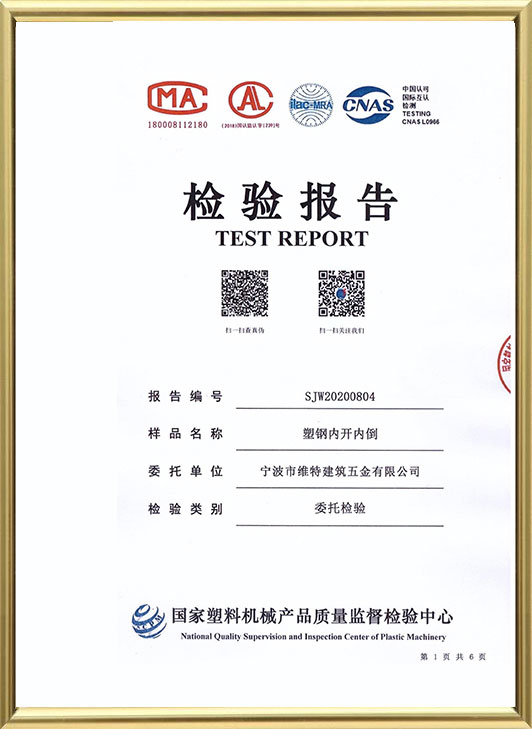
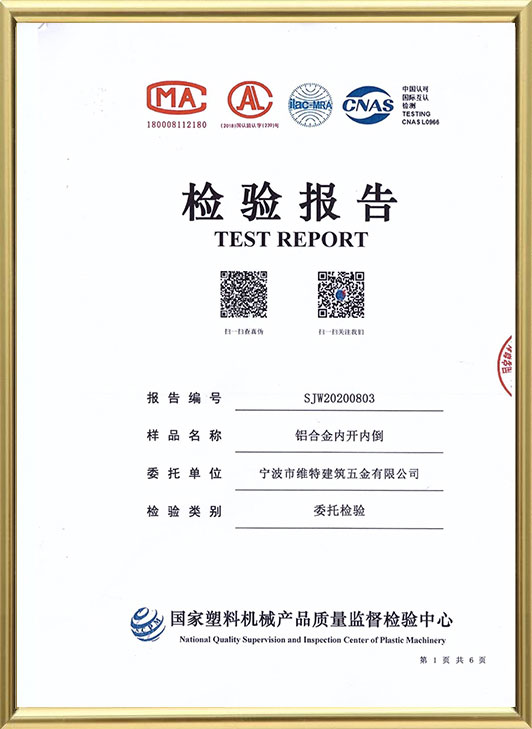
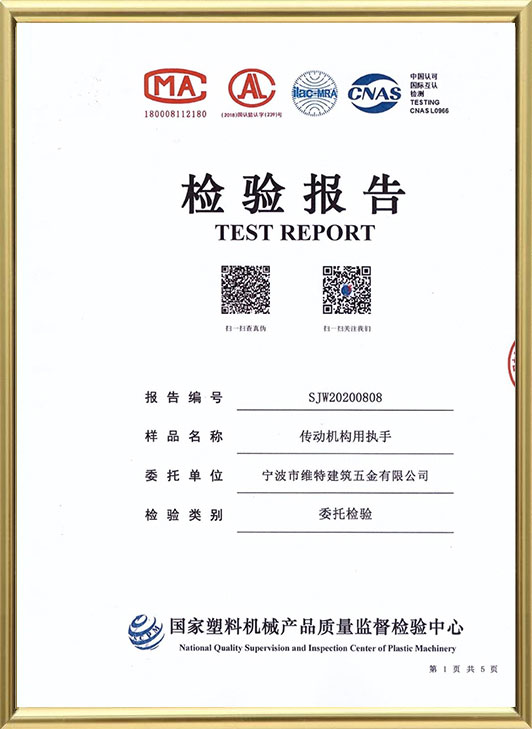
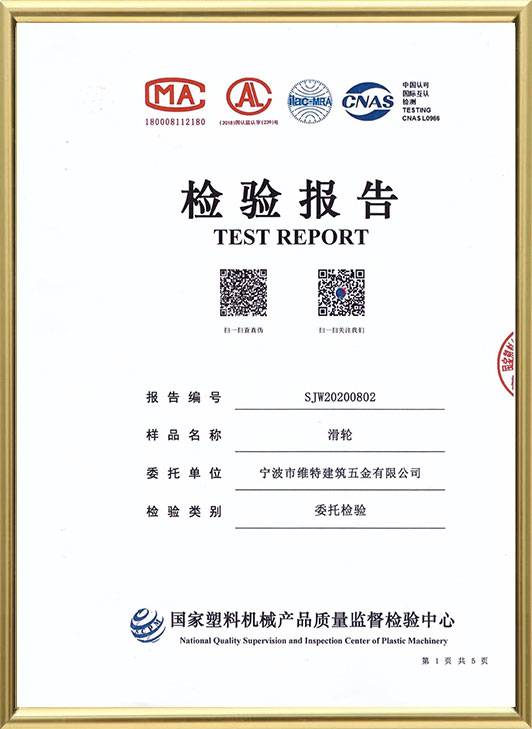
Lift-slide hardware is tested through our in-house laboratory chain, from incoming material inspection to pre-shipment verification. This gives fabricators and project teams a clear picture of performance before installation.
- Torque testing to confirm handle operating force meets ergonomic requirements.
- Load and tensile testing on locking points, hinges and load-bearing components.
- Opening and closing cycle testing to simulate long-term door usage.
- Salt spray resistance testing for coated and anodized surfaces.
The manufacturing base includes die casting, stamping, machining, surface treatment and automated assembly lines, with critical tooling produced in-house for fit precision and batch-to-batch consistency.
Installation, Integration and Maintenance
A lift-slide hardware set only performs correctly when the profile, sash weight and hardware geometry are aligned. We confirm profile compatibility during the proposal stage and provide fitting documentation with the delivered sets.
- During installation, the sash height and compression are adjusted so the door lifts cleanly and re-seals evenly around the perimeter.
- For motorized or automated lift-slide doors, the handle position, locking layout and transmission geometry are coordinated to suit actuator integration.
- Routine maintenance includes cleaning the track, checking roller wear and verifying that locking points engage fully.
Information We Use to Configure Your Solution
Every proposal starts with the real working conditions of the door. Send us the following information, and we will prepare a hardware configuration, recommendation and quotation for the project.
- Profile system name and groove geometry, or a profile sample/drawing.
- Sash dimensions, weight and glazing build-up.
- Door configuration: number of leaves, stacking arrangement, opening direction.
- Performance targets: air permeability, water tightness, wind load, security level, acoustic rating.
- Handle style, finish color and branding requirements.
- Order volume, packaging format and delivery destination.
Frequently Asked Questions
What is the difference between lift-slide hardware and standard sliding hardware?
Standard sliding hardware runs the sash directly on a track. Lift-slide hardware first lifts the sash off the peripheral seal and track, which reduces sliding friction and allows larger, heavier sashes to move easily. When closed, the sash is lowered back onto the seal to improve weather performance.
Can you configure hardware for oversized or heavy lift-slide doors?
Yes. Our configuration process starts with the sash dimensions, weight and profile system. We adjust the load rating, drive bar length and locking point layout so the hardware matches the actual door build rather than forcing a one-size-fits-all set.
What surface and branding options are available?
We offer powder coating, electrophoretic coating and anodizing in custom colors and textures. Branding can be applied through laser engraving, screen printing or die-cast integrated molding, and packaging can be neutral or brand-exclusive.
How do you verify performance before delivery?
Our 15 in-house laboratories cover incoming material inspection, first-article inspection, in-process control and pre-shipment verification. Testing includes torque, load and tensile strength, opening/closing cycle endurance and salt spray resistance.
What workflow do you follow for OEM/ODM lift-slide projects?
The process covers requirement consultation, drawing or sample confirmation, technical assessment and solution proposal, sample development and testing, pricing confirmation, mass production, quality inspection, and packaging and delivery. This structure keeps the project clear from first enquiry to final shipment.

