
 English
 中文简体
 русский
 0




Sliding Hardware: Our Manufacturing Focus
Sliding Hardware is the daily working part of every horizontal window and door unit: the roller that carries the sash, the crescent lock that pulls it closed, and the brackets and keepers that hold it in alignment. As a China-based Sliding Hardware manufacturer and supplier, WANO produces these components for standard sliding window configurations in residential communities, commercial buildings, hotels and apartments.
Established in 2003, we operate a 38,000 m² manufacturing base in Ningbo with more than 500 employees, a 100-person R&D center, and 15 specialized laboratories. Our sliding hardware range is produced with an annual capacity of approximately 20 million hardware sets, supported by over 100 certifications in innovative design and invention patents.
The Sliding Hardware Range We Manufacture
Our Sliding Hardware category covers the two components most widely used in standard sliding systems: crescent locks and window rollers. Both are supplied to fabricators, window system brands, architectural hardware dealers and project clients as standalone items or as part of a bundled sliding system.
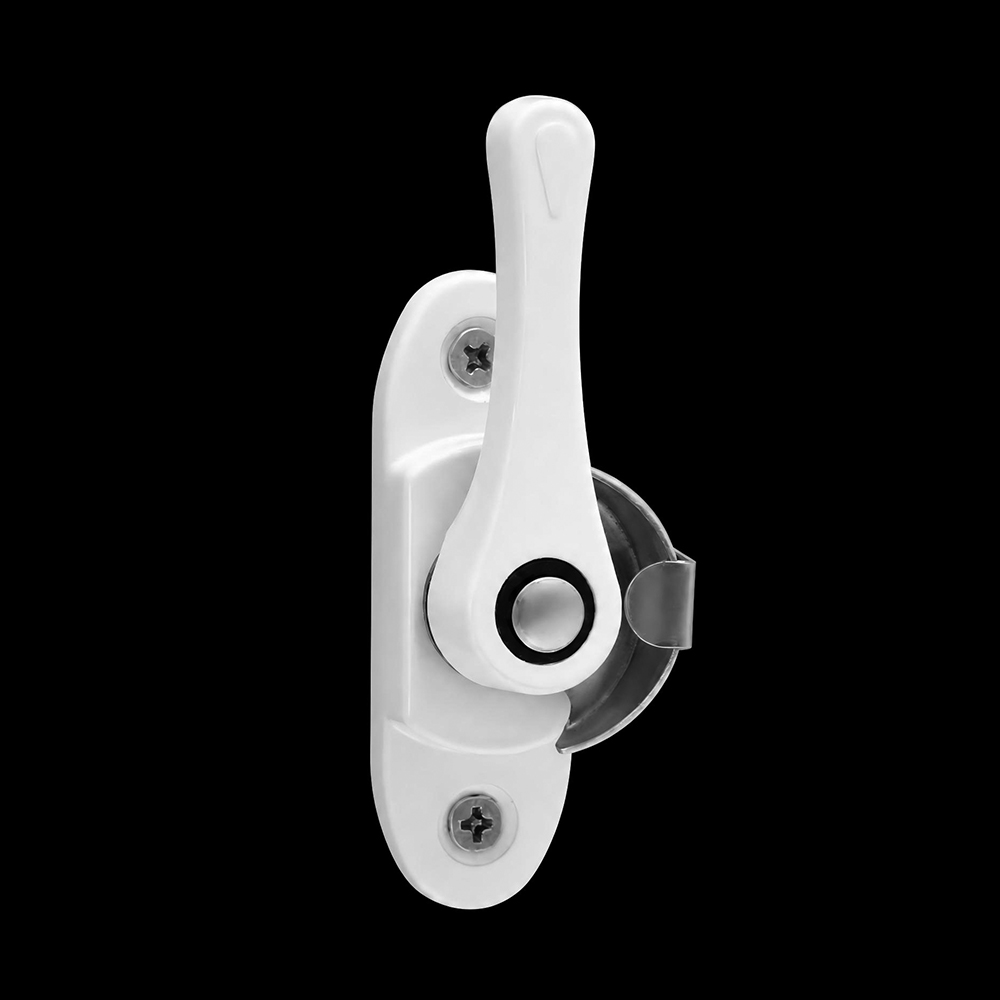
Crescent Lock
The Crescent Lock provides the pull-tight engagement between two sliding sashes at the meeting rail. We supply lock bodies, keepers and strike plates sized for aluminum and PVC sliding window profiles, with screw spacing and keeper depth matched to your extrusion. It is the primary mechanical closure for the operating sash and is typically selected on the basis of profile geometry and lock projection.
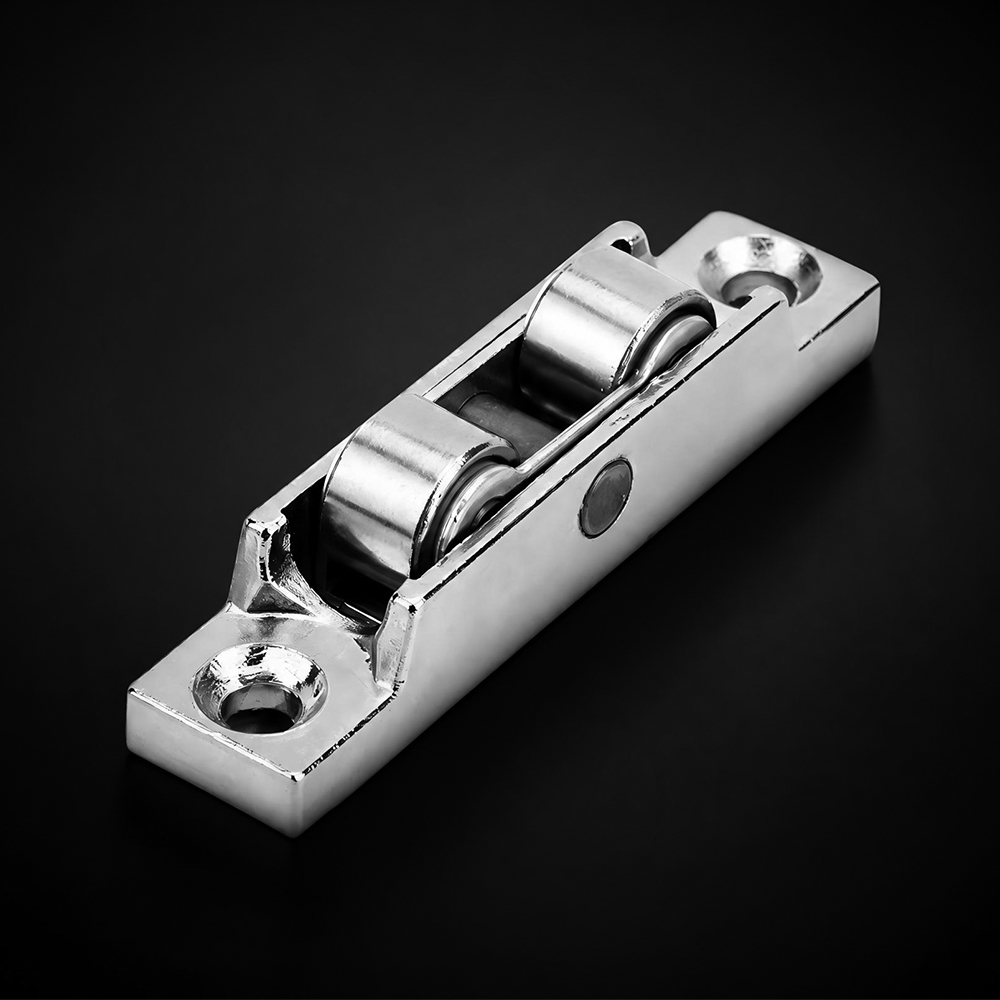
Window Roller
The Window Roller carries the sash weight and determines running smoothness. Roller configurations differ in wheel diameter, wheel width, bracket height and load capacity. We select the carriage geometry to match your track size and sash mass, and we match wheel materials to the operating environment: nylon wheels for quiet residential running, reinforced wheels for higher load or harsher track conditions.
For larger sashes or heavy doors that cannot use a standard roller-and-lock package, we offer Lift & Slide Hardware as a separate system within the sliding family, with multi-point locking and heavy-load operation.
Application Fit and Profile Matching
Sliding hardware must reconcile three variables: the extruded profile geometry, the moving mass of the glazed sash, and the building's exposure conditions. Our configuration process starts with the profile family, whether aluminum or PVC, and the groove, track and meeting-rail dimensions, so roller height and lock projection are correct from the first production batch.
- Residential sliding windows: two- and three-sash units where quiet running and secure locking are the priorities.
- Commercial buildings and apartments: higher cycle volumes and consistent installation tolerances across large glazing contracts.
- Hotels and public buildings: repeated daily operation, where roller durability and corrosion resistance are selected ahead of unit cost.
Critical Specifications That Define the Quote
- Sash mass and width — determines roller load rating, wheel diameter and bracket spacing.
- Track and running clearance — determines carriage height, wheel width and fit with bottom or center runners.
- Meeting rail profile — determines crescent lock size, keeper depth and screw spacing.
- Finish and exposure — powder coating, electrophoretic coating and anodizing provide different levels of corrosion resistance for coastal or high-humidity sites.
- Cycle expectation — opening and closing endurance is prepared for tens of thousands of operations.
We confirm these values during technical assessment and verify them through first-article inspection before mass production begins.
Configuration, Customization and OEM/ODM Support
Beyond standard catalog items, we configure sliding hardware for OEM and ODM programs. Fabricators with existing drawings receive tooling development and production to their specification; system brands without in-house R&D can work with our engineers on structural optimization, performance configuration and exclusive product features.
- Surface finishes — powder coating, electrophoretic coating and anodizing, with custom textures and colors developed to match interior design languages.
- Brand marking — laser engraving, screen printing or die-cast integrated molding for precise logo application on visible surfaces.
- Packaging — individual unit boxes and outer cartons printed with your logo, brand name and model details; product certificates, warranty cards and packing lists rebranded; neutral or brand-exclusive packaging for different channel requirements.
Quality Assurance and Acceptance Testing
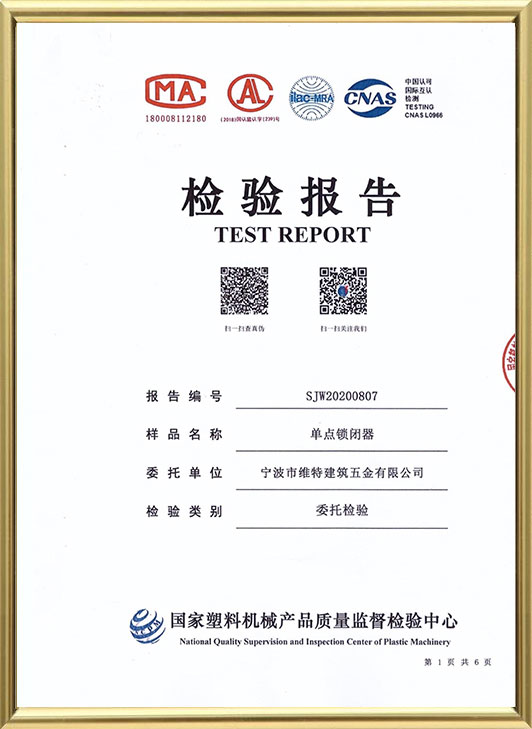
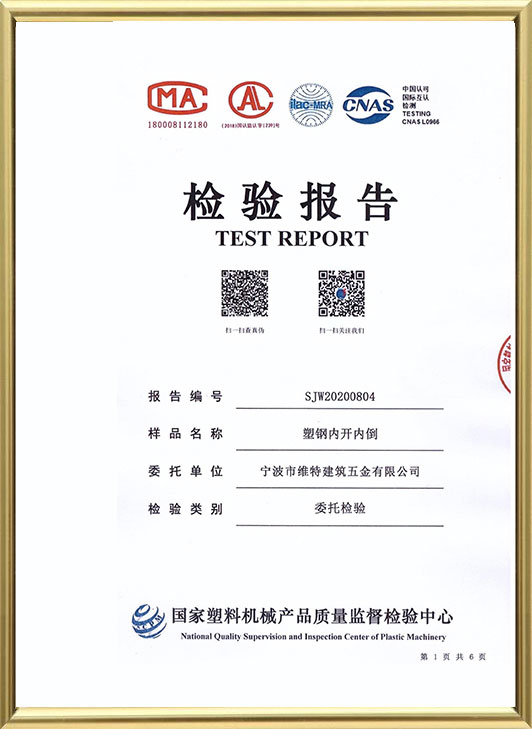
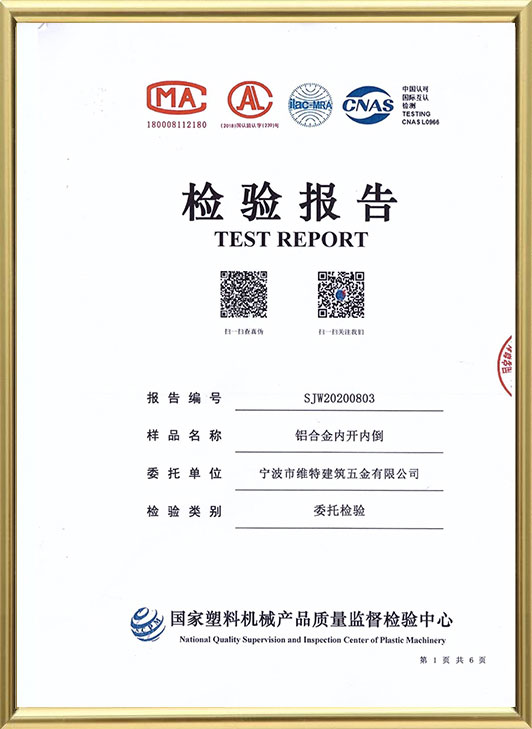
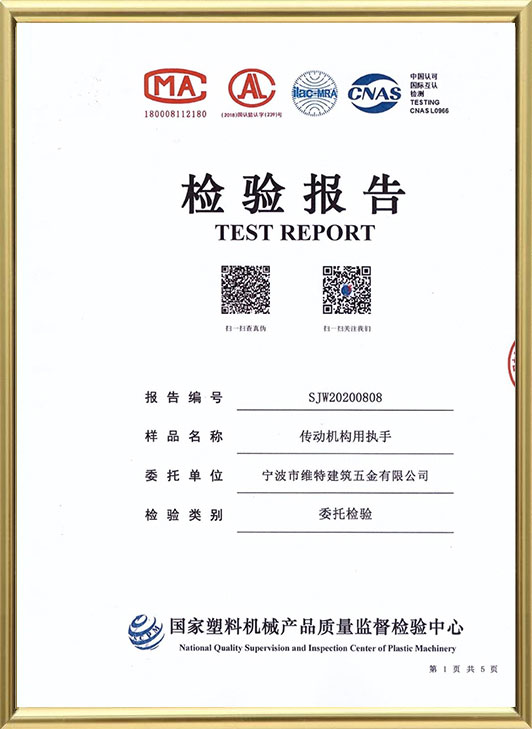
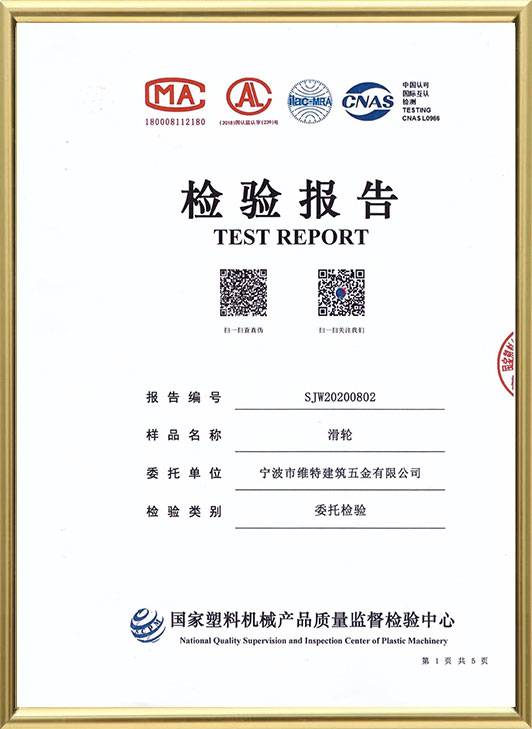
Every sliding hardware order passes through our 15 in-house laboratories, covering incoming material inspection, first-article inspection, in-process control and final pre-shipment verification. Core tests for this product family include:
- Opening/closing cycle testing — simulating tens of thousands of window operations to verify smooth running and lock durability.
- Salt spray resistance testing — verifying corrosion performance of surface treatment on rollers and lock bodies.
- Load and tensile testing — checking the load-bearing capacity of brackets, keepers and locking components.
- Torque testing — ensuring handle and lock operating force stays within ergonomic and industry expectations.
Drawing and sample confirmation take place before tooling; sample development and testing occur before pricing confirmation and mass production.
Sliding Hardware Selection Matrix
| Component | Application Fit | Configuration Inputs | Finish & Material Options |
|---|---|---|---|
| Crescent Lock | Meeting-rail closure and pull-tight locking for two sashes | Lock size, screw spacing, keeper depth, profile type | Powder coat, electrophoretic coating, custom colors |
| Window Roller | Load-carrying carriage for bottom- or center-run sliding sashes | Wheel diameter, wheel width, bracket height, sash weight | Nylon or reinforced wheels; coated steel brackets |
| Lift & Slide Hardware | Large-format or heavy sashes requiring multi-point operation | Sash weight, track system, operating hardware configuration | Anodized and coated aluminum systems |
Information We Use to Configure Your Solution
To prepare a sliding hardware proposal, we need the profile geometry and the operating conditions of your window or door. Please provide:
- Profile cross-section, groove or track drawing for the sliding frame and meeting rail.
- Sash dimensions, glazing weight and number of leaves per unit.
- Track type, running clearance and roller position.
- Crescent lock style, required lock points per unit and keeper preferences.
- Finish color, logo marking and packaging language for your distribution channel.
- Estimated order quantity, target schedule and destination port.
With these inputs we confirm drawings or samples, complete a technical assessment, propose the configuration, and then move to pricing and mass production with full inspection and final packaging.
Installation, Maintenance and After-Sales Support
Sliding hardware is delivered in sets or bulk to match your assembly line. We keep batch-to-batch tolerances consistent so replacement components can be supplied for existing production runs. Product certificates, packing lists and warranty documentation can be rebranded for your channel.
- Periodic maintenance for installed units: keep tracks and rollers free of debris, check roller screws for tightness, and confirm lock keeper alignment.
- Replacement spares are available against original configuration data, so field repairs are resolved without re-engineering.
- For large projects, we coordinate sample approval, first-article inspection and production milestones with your project schedule.
Frequently Asked Questions
Which sliding window profiles are compatible with WANO sliding hardware?
Our crescent locks and window rollers are supplied for aluminum and PVC sliding window profiles in standard configurations. To confirm compatibility, we review the profile cross-section and groove or track dimensions before quotation.
What data is needed for a sliding hardware quotation?
We need the profile drawing, sash dimensions and weight, track specification, crescent lock style, finish and branding requirements, plus the estimated quantity and delivery target. With those, we confirm drawings and samples before mass production.
Can you brand the hardware for our distribution channel?
Yes. OEM/ODM programs cover laser engraving, screen printing or die-cast integrated molding of your logo, plus custom unit boxes, outer cartons, certificates and packing lists in neutral or brand-exclusive versions.
How do you verify durability and corrosion resistance?
Each order passes through 15 in-house laboratories covering incoming material, first-article, in-process and pre-shipment inspection. Tests include opening/closing cycle endurance, salt spray resistance, load and tensile testing, and torque testing.
Do you provide samples before mass production?
Yes. Our process includes requirement consultation, drawing and sample confirmation, technical assessment and solution proposal, sample development and testing, and then pricing confirmation before mass production.
Can we source replacement rollers and locks for windows already installed in the field?
Yes. We maintain consistent batch tolerances and can supply replacement components against your original configuration data, so field repairs do not require re-engineering.

