English
 中文简体
 русский
 0

Content
- 1 Why Aluminium and Glazing Are a Natural Fit
- 2 How Glazing Weight Affects Hardware
- 3 Aluminium Window Types and Hardware Requirements
- 4 Tilt-and-Turn Hardware: Two Functions in One System
- 5 Top-Hung Hardware for Ventilation and Safety
- 6 Lift-Slide Hardware for Large Glazing Openings
- 7 Choosing Reliable Hardware for Aluminium and Glazing Projects
- 8 Working with a Hardware Partner That Understands Glazing
When aluminium meets glazing, the result is more than a window or door: it is a carefully balanced system of frame, glass and hardware. Over the past two decades, we at WANO have worked with fabricators and system brands who rely on this combination in residential, commercial and public building projects. Slim aluminium profiles and wide glass panes look attractive, but the right hardware is what makes them perform reliably year after year.
Why Aluminium and Glazing Are a Natural Fit
Aluminium brings strength and lightness, while glazing supplies natural light and thermal performance. Together, they allow architects and fabricators to create windows and doors with slim frames and large panes that would be difficult to achieve with many other materials.
- High strength-to-weight ratio enables larger sash sizes and more glass area.
- Corrosion-resistant aluminium suits coastal, urban and industrial environments.
- Thermally broken profiles reduce heat loss and improve comfort.
- Flexible extrusion profiles support custom colours, shapes and concealed drainage.
However, the performance of this combination depends on hardware. The hinge carries the glass weight. The locking points press the gaskets evenly. The handle and gearbox make the daily operation feel smooth and precise. In other words, glazing determines the load, and hardware determines the function.
How Glazing Weight Affects Hardware
One of the most common mistakes in aluminium glazing projects is choosing hardware based only on sash size. Weight matters just as much as width and height. A typical double-glazed unit can weigh 20 to 30 kilograms per square metre, and triple glazing or laminated glass can push that figure even higher.
That weight is present every time the window is opened, closed, locked or left hanging in a tilted position. Hinges, stays, rollers and locking plates must be rated for the static load as well as the dynamic forces of daily use. We always advise fabricators to calculate the actual sash weight before selecting a hardware set, because two windows with identical dimensions may require completely different hardware when the glass specification changes.
Aluminium Window Types and Hardware Requirements
Different opening styles create different demands on hardware. The table below summarises the most common aluminium window types and the hardware functions that matter for each.
| Window type | Typical application | Hardware priority |
|---|---|---|
| Fixed window | Large glazing areas | Glazing beads and structural seals |
| Casement (side hung) | Residential and commercial | Hinges, friction stays, locking points |
| Outward opening | Facades, high-rise | Heavy-duty hinges and wind load resistance |
| Tilt and turn | Apartments and houses | Multi-point locking and gear mechanism |
| Top hung | Controlled ventilation | Shear-friction stay and restrictors |
| Lift and slide | Large doors and terraces | Roller bogies and perimeter locking |
Once the window type is defined, hardware selection becomes a matter of matching the moving parts to the glazing load and the required operating force. Tilt-and-turn windows, for example, need a coordinated set of hinges, locks and drive gears. Top-hung windows put different forces on their friction stays. Lift-slide doors require rollers that can move a heavy leaf smoothly and lock it securely.
Tilt-and-Turn Hardware: Two Functions in One System
Tilt-and-turn windows are popular in residential projects because a single vent offers two opening modes: tilted for secure ventilation or turned fully inward for cleaning and maximum airflow. Achieving this flexibility without compromising smooth operation or sealing is a serious engineering challenge.
The hardware must change the rotation axis from the bottom hinge to the side hinge when the handle position changes. Every part works in sequence: the corner drives, the locking points and the main hinge. When the system is designed well, the window opens with low effort and closes with an even seal. When it is not, the sash can sag, the locking points can miss, and the glass can suffer from uneven pressure.
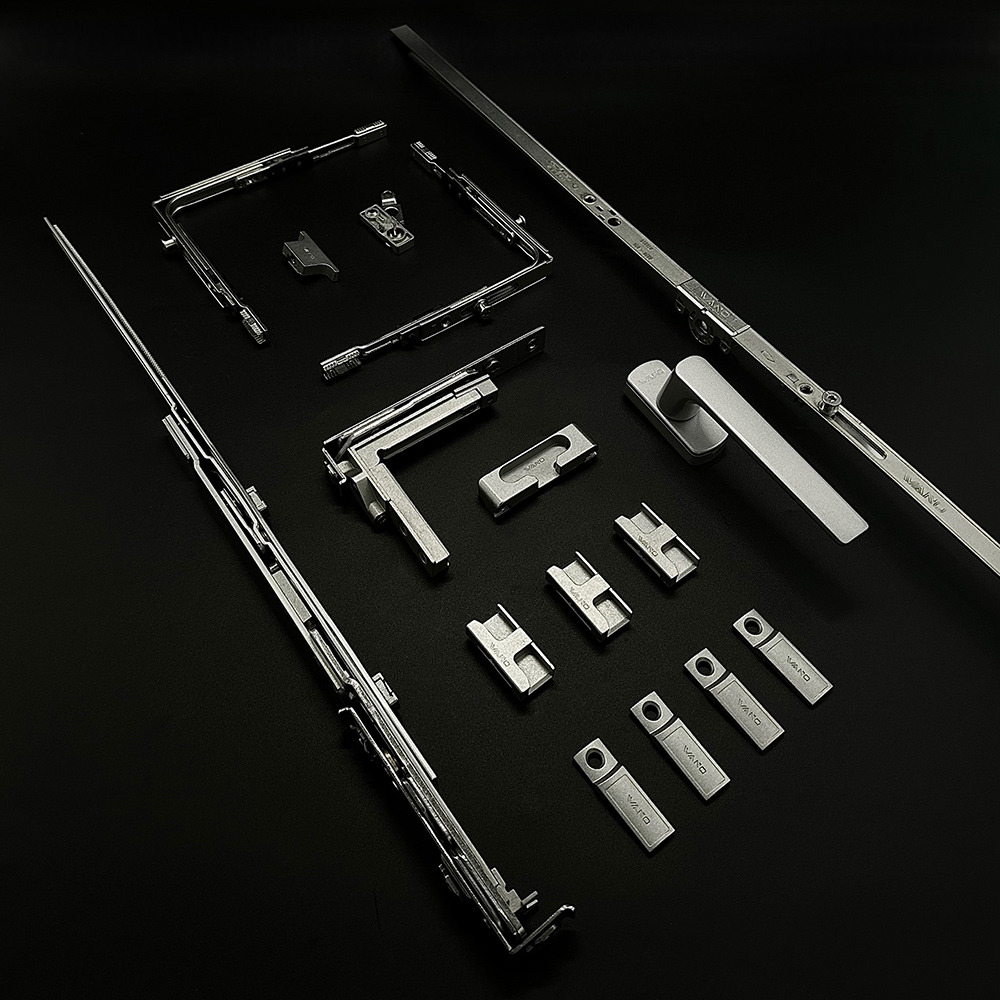
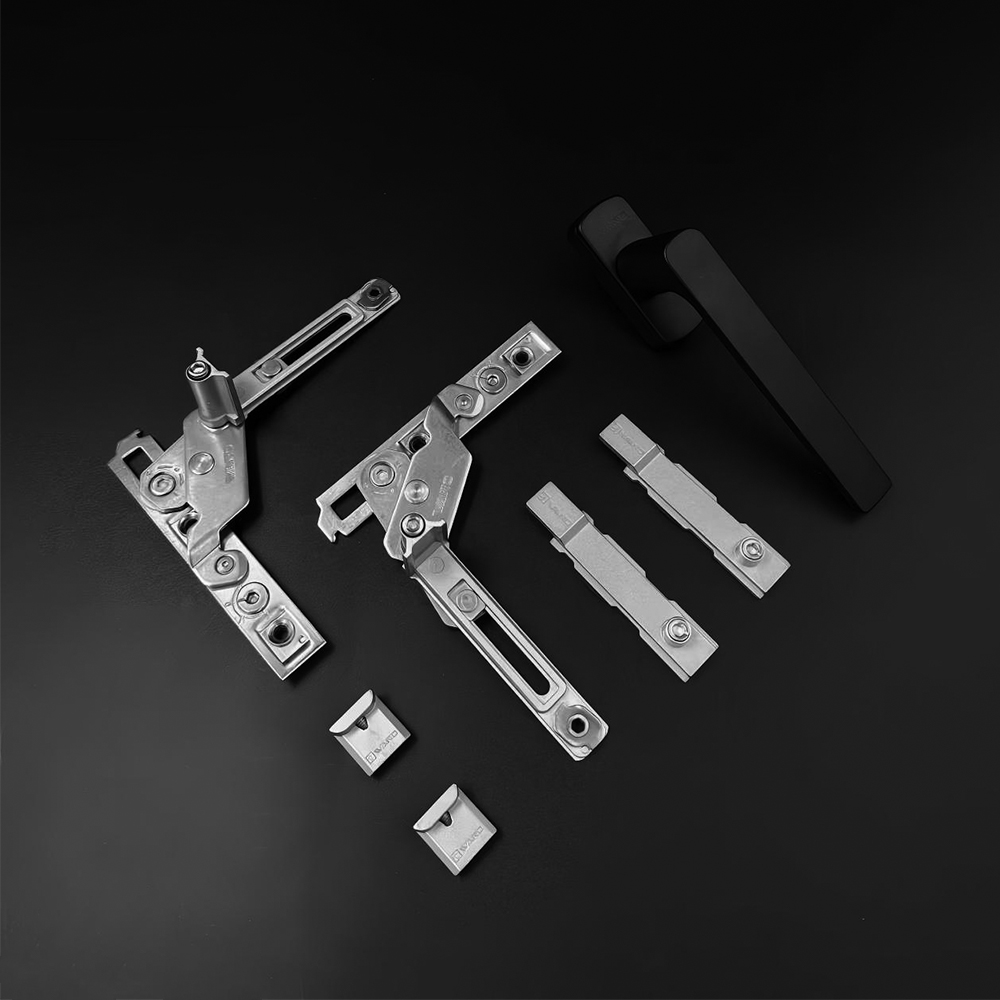
At WANO, we manufacture C-groove tilt-turn hardware in 90° and 180° versions for aluminium window profiles. The set includes everything needed for smooth tilting, turning and secure locking, and it is matched to the profile groove so installation remains straightforward.
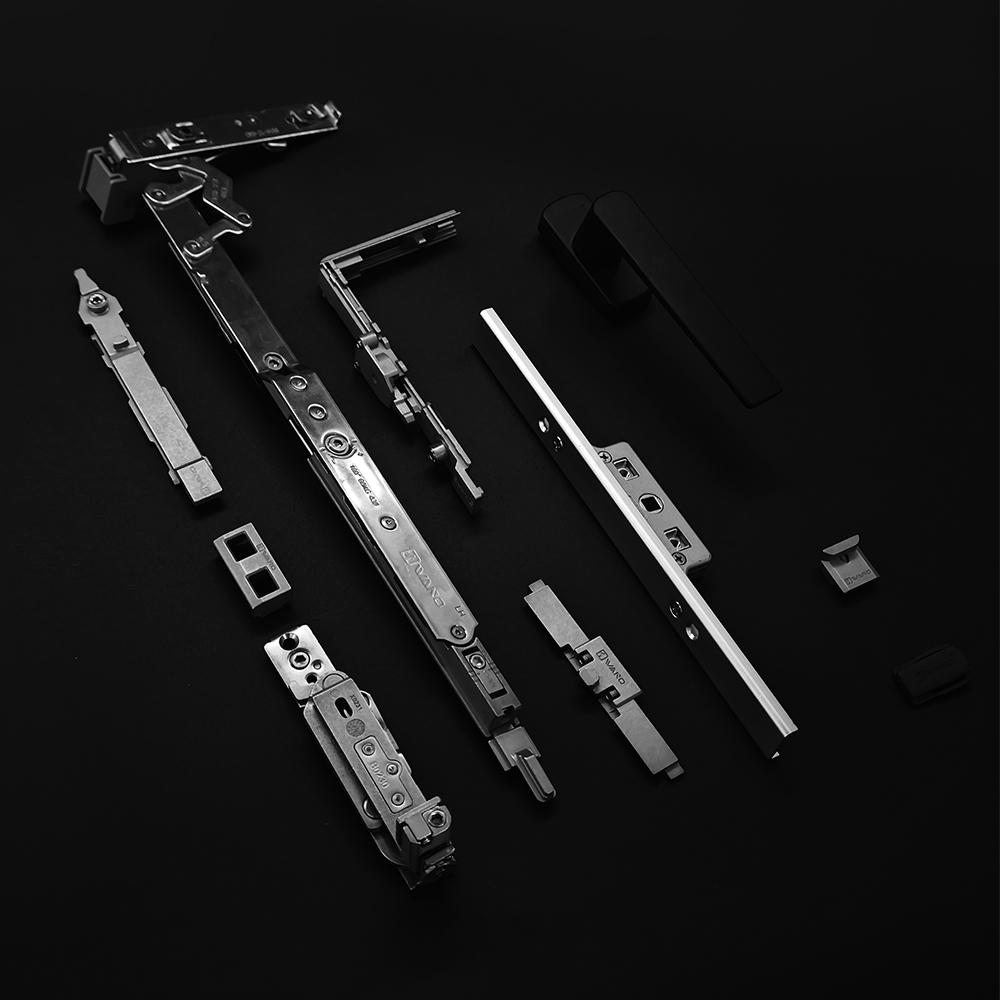 C-Groove Tilt & Turn Hardware Set for Aluminum WindowsThis complete hardware system for C-groove profiles enables smooth tilting and turning, with options for 90° or 180° opening and customizable locking points for versatile installations.View Product →
Top-Hung Hardware for Ventilation and Safety
Top-hung windows are a practical solution for controlled ventilation, especially in apartments, schools and commercial buildings. The vent tilts outward from the bottom, allowing air to circulate while keeping the opening physically restricted. This makes the design a good choice for upper floors and for areas where safety matters.
The window sash pushes downward on the friction stay, while wind loads pull outward on the hinge. A dedicated top-hung hardware set uses shear-friction stays that are rated for the specific stroke and load of each sash. Restrictors can limit the opening width, which protects people and prevents the glass from swinging into a dangerous position.
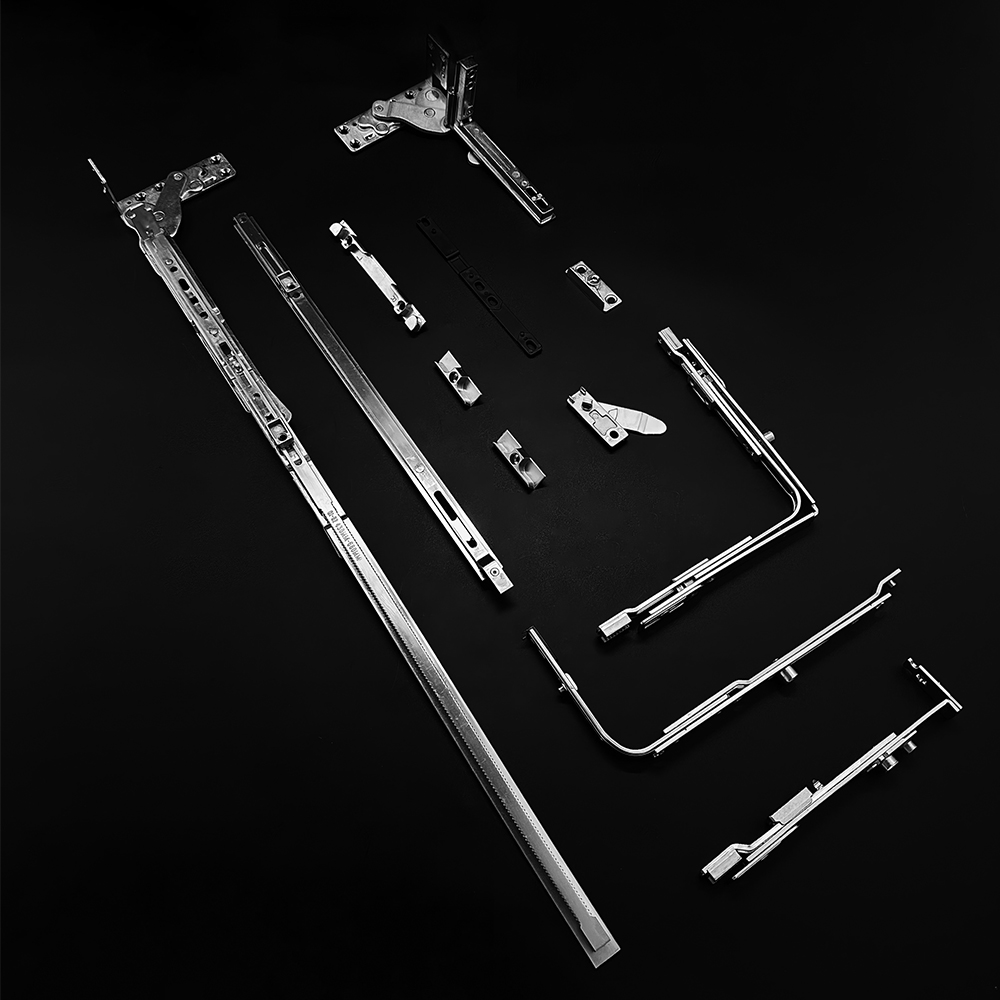
For aluminium C-groove profiles, WANO offers a top-hung hardware set with corrosion-resistant moving parts and consistent friction control, so the vent stays exactly where the user leaves it.
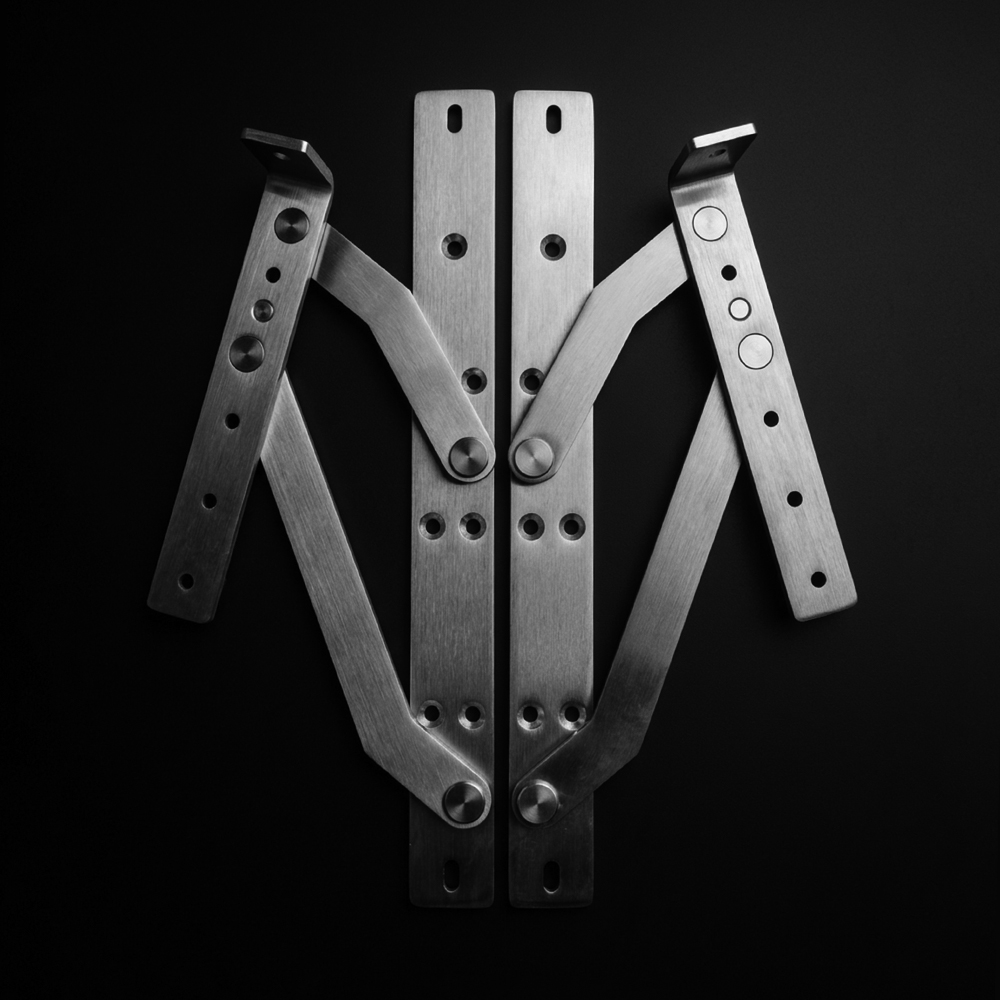 C-Groove Top-Hung Window Hardware with Friction HingesEngineered for outward-tilting vents, this hardware ensures controlled ventilation and rain protection, with corrosion-resistant components and consistent friction for reliable operation.View Product →
Lift-Slide Hardware for Large Glazing Openings
When aluminium glazing becomes a whole wall or a large terrace door, a lift-slide system delivers a clean solution. The leaf lifts up onto rollers, slides sideways along the bottom track, and then drops back down to create a full perimeter seal. This allows very large glass panels to move with a surprisingly light touch.
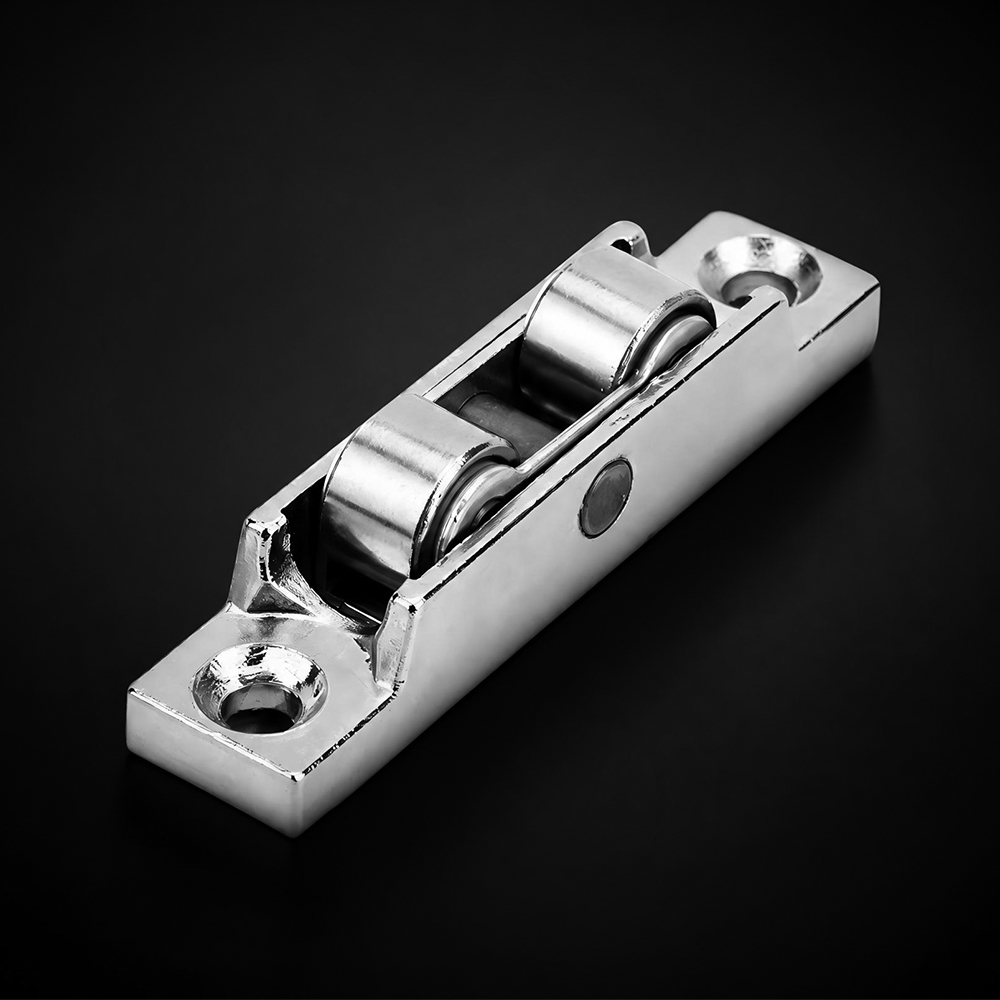
The hardware in a lift-slide system has to manage the weight of the leaf on every roller, keep the leaf aligned through thousands of cycles, and compress the gaskets evenly when closing. With glazing panels sometimes exceeding two metres in height, the quality of the roller bogies and locking components is critical.
WANO's lift-slide solution is developed specifically for large aluminium doors and is tested for smooth running, secure locking and long-term durability. It gives project teams confidence that the impressive glass frontage will remain easy to operate for years.
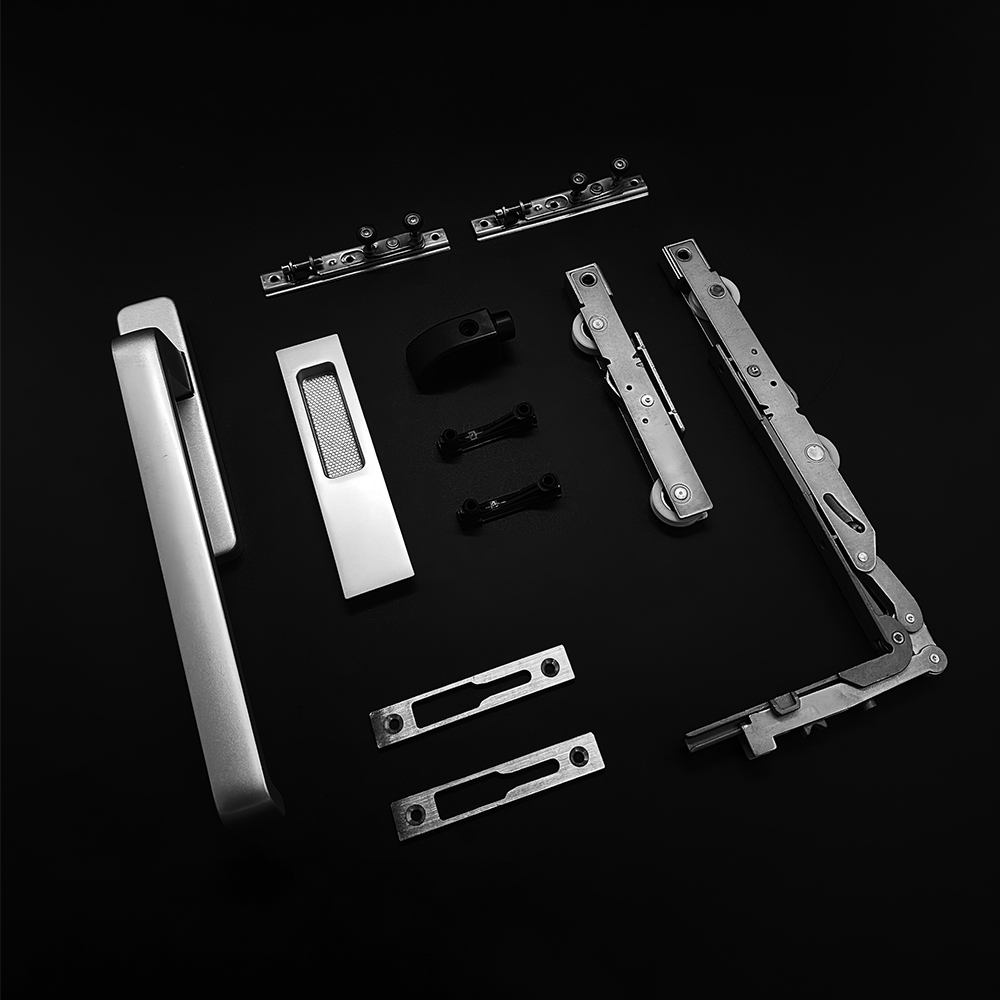 Lift & Slide Door Hardware Solution for Large Aluminum PanelsA complete lift-and-slide system supporting 200–400 kg panels, offering effortless sliding and tight sealing for superior insulation, ideal for expansive glass doors and commercial openings.View Product →
Choosing Reliable Hardware for Aluminium and Glazing Projects
With so many moving parts involved, what should you look for when selecting hardware for your aluminium windows and glazed doors? Here are the points we have learned to emphasise after years of supporting window manufacturers.
- Material quality: stainless steel pins, zinc alloy die-cast components and durable protective coatings.
- Load ratings: verify hinge, stay and roller capacities against the actual glass weight.
- Corrosion resistance: essential for coastal areas, swimming pools and high-humidity climates.
- Test evidence: ask for cycle tests, security tests and air/water tightness results.
- Profile compatibility: hardware must match the groove dimensions and gasket tolerances of the aluminium profile.
These checks may seem technical, but they prevent the most common field failures: dropped sashes, leaking frames and stiff operation. At our manufacturing and testing facility, we put every new hardware set through a rigorous programme of lab tests and real-world checks. You can see the scale of that operation at our manufacturing base.
Working with a Hardware Partner That Understands Glazing
Aluminium and glazing systems perform best when hardware is specified early in the design process. As a hardware manufacturer with roots in the window industry since 2003, WANO supports customers from product selection to prototyping and batch delivery. Whether you are a window fabricator, a system brand, or a distributor, having a partner who understands both the profile and the glass is a practical advantage.
We also work on OEM and ODM projects, adapting hardware sets to specific aluminium profiles, glazing loads and performance targets. This flexibility helps customers launch new products without starting from scratch. If you are planning a new aluminium glazing range, that kind of collaboration can save time and reduce risk. Learn more about our OEM and ODM capabilities.
Throughout our history, we have seen what works and what fails in the field. That experience is built into every product we make. For us, aluminium and glazing is not just a combination of materials: it is a system where every piece has to work together, and hardware is the piece that ties it all together.